We’ve all been there: you put on a popular Japanese drama, only to realize the characters speak way too fast, or use slang you’ve never seen in a lesson plan. It makes you wonder: “Is it actually possible to learn conversational Japanese through media?” “Can I really learn Japanese just by watching TV?”or “Where can I even stream these shows with accurate translation tools?” While diving into native content is one of the fastest ways to build fluency, picking the wrong title can crush your motivation. To save you hours of scrolling, we’ve curated a list of the absolute best Japanese TV shows and movies perfect for early-stage learners. From heartwarming reality shows to slice-of-life dramas, here is what to watch and where to stream them to level up your comprehension without the frustration.
📊 Quick Comparison: Best Japanese Movies & TV Series for Beginners
💻Beginner-Friendly Japanese TV Series
| Title | Year | Main Cast | Genre | IMDb Rating | Highlights | Difficulty | Where to Watch |
|---|---|---|---|---|---|---|---|
| Midnight Diner: Tokyo Stories | 2016 | Kaoru Kobayashi | Slice of Life | 8.4 | Slow conversations, everyday vocabulary, natural speaking speed | 🔵 Easy | Netflix |
| Terrace House | 2015 | Various Cast Members | Reality / Romance | 8.1 | Real-life casual Japanese and modern slang | 🔴 Intermediate | Netflix |
| First Love | 2022 | Hikari Mitsushima, Takeru Satoh | Romance | 8.4 | Emotional but clear dialogue with modern Japanese | 🔴 Intermediate | Netflix |
| Good Morning Call | 2016 | Haruka Fukuhara, Shunya Shiraishi | School Romance | 7.2 | Simple daily conversations ideal for beginners | 🔵 Easy | Netflix |
| Nigeru wa Haji da ga Yaku ni Tatsu | 2016 | Yui Aragaki, Gen Hoshino | Romantic Comedy | 7.9 | Polite and casual Japanese mix | 🔴 Intermediate | Crunchyroll |
| Full-Time Wife Escapist | 2016 | Gen Hoshino, Yui Aragaki | Romantic Comedy | 8.3 | Everyday conversations; clear contrast between polite/casual speech; relatable modern relationship themes | 🔴 Intermediate | Netflix, Viki |
| Quartet | 2017 | Yoko Maki, Issei Takahashi | Drama / Music | 8.0 | Witty, fast-paced dialogue; great for listening practice; natural expressions among friends | 🔴 Intermediate | Netflix Japan (VPN region-restricted), TVer |
| GTO (Great Teacher Onizuka) | 1998 | Takashi Sorimachi | School Comedy | 8.5 | Easy-to-understand student conversations | 🟡 Low-Intermediate | Prime Video |
| Alice in Borderland | 2020 | Kento Yamazaki, Tao Tsuchiya | Sci-Fi Thriller | 7.7 | Modern conversational Japanese with action pacing | Medium-Hard | Netflix |
| Silent | 2022 | Ren Meguro, Haruna Kawaguchi | Romance / Drama | 8.2 | Clear emotional dialogue and slower pacing | 🟡 Low-Intermediate | Viki |
| The Makanai: Cooking for the Maiko House | 2023 | Nana Mori, Natsuki Deguchi | Slice of Life / Food | 8.2 | Gentle pacing; daily life in Kyoto’s geiko district; clear pronunciation; food-related vocabulary | 🟡 Low-Intermediate | Netflix |
| Rebooting | 2023 | Bakarhythm, Kurumi Inagaki | Comedy / Fantasy | 8.4 | Hilarious casual speech; young adult expressions; repetitive vocabulary makes it learner-friendly | 🔴 Intermediate | Netflix Japan (VPN region-restricted) |
🎬Beginner-Friendly Japanese Movies
| Movie | Year | Main Cast | Genre | IMDb Rating | Highlights | Difficulty | Where to Watch |
|---|---|---|---|---|---|---|---|
| Kiki‘s Delivery Service | 1989 | Minami Takayama, Rei Sakuma | Animation / Coming-of-Age | 7.8 | Business & polite phrases; practical vocabulary; Kiki’s interactions teach real-world Japanese | 🟡 Low-Intermediate | Netflix, Disney+ |
| Ponyo | 2008 | Yuria Nara, Hiroki Doi | Animation / Family | 7.6 | Protagonist is a child; super simple sentence structures; high repetition of basic words | 🔵 Easy | Netflix, HBO Max |
| Your Name | 2016 | Ryunosuke Kamiki, Mone Kamishiraishi | Anime / Romance | 8.4 | Clear pronunciation and emotional storytelling | 🟡 Low-Intermediate | Crunchyroll |
| Spirited Away | 2001 | Rumi Hiiragi | Fantasy / Anime | 8.6 | Beginner-friendly vocabulary and iconic phrases | 🔵 Easy | Max |
| My Neighbor Totoro | 1988 | Noriko Hidaka | Family / Anime | 8.1 | Extremely simple Japanese for beginners | 🔘Very Easy | Max |
| Shoplifters | 2018 | Lily Franky, Sakura Ando | Family Drama | 7.9 | Realistic family conversations | 🔴 Intermediate | Hulu |
| Suzume | 2022 | Nanoka Hara | Anime Adventure | 7.6 | Modern spoken Japanese with emotional dialogue | 🔴 Intermediate | Crunchyroll |
| Departures | 2008 | Masahiro Motoki | Drama | 8.0 | Respectful Japanese and cultural expressions | 🔴 Intermediate | Prime Video |
| Weathering With You | 2019 | Kotaro Daigo | Anime Romance | 7.5 | Youth slang and modern expressions | 🔴 Intermediate | Crunchyroll |
| Little Forest | 2014 | Ai Hashimoto | Slice of Life | 7.8 | Slow speech and everyday vocabulary | 🔵 Easy | Prime Video |
you can watch them legally (availability varies by region; use the links to check local options).
🌐 Ultimate Streaming Guide: Where to Watch Japanese Content Legally
Finding authentic, subtitle-friendly Japanese content is easier than ever in 2026. Below is a comprehensive overview of the best streaming services—from global giants like Netflix to Japan-exclusive platforms and even completely free options.
| Platform | Best For | Key Japanese Content | Global Availability | Japanese Subtitles | Subscription Model | Language Learning Features |
|---|---|---|---|---|---|---|
| Netflix | Largest global library of J-dramas & Studio Ghibli | NHK Taiga dramas, morning serials, popular Netflix Originals (First Love, The Makanai, Terrace House), Studio Ghibli films | 🌍 190+ countries | ✅ Yes | Monthly subscription (multiple tiers) | Dual subtitles; Language Learning with Netflix (LLN) extension; Japanese audio + subs combo; extensive NHK drama library added June 2026 |
| Amazon Prime Video | Classic & contemporary J-dramas | Japanese films, Prime Originals, classic TV dramas, recent blockbuster movies | 🌍 Available in most countries where Amazon operates | ✅ Yes | Prime membership or pay-per-title | Multi-language subtitle options; rent/buy flexibility; user-friendly interface |
| Disney+ | Studio Ghibli masterpieces | Complete Studio Ghibli catalog (Spirited Away, My Neighbor Totoro, Ponyo), select anime, growing J-drama collection | 🌍 Available in most regions via Disney+ or Hulu bundle (US) | ✅ Yes | Monthly subscription | Original Japanese audio with English subs; high-quality video; Ghibli Festival theatrical events also available |
| U-NEXT | Largest all-you-can-watch Japanese content library | 390,000+ Japanese movies, dramas, anime; TBS, TV Tokyo programs; exclusive originals | 🇯🇵 Japan only (VPN may work) | ✅ Japanese only; no English subtitles | Monthly subscription (~¥999); 31-day free trial | Best for advanced learners seeking massive native content; not suitable for beginners without Japanese reading ability; includes manga and magazines |
| Hulu Japan | Japanese original series & variety shows | Hulu Originals, Fuji TV dramas, exclusive mystery series, anime | 🇯🇵 Japan only (VPN may work) | ✅ Japanese only; limited English subs on select content | Monthly subscription | Strong original drama lineup; good for intermediate learners comfortable with Japanese subtitles; Disney partnership brings additional content |
| Rakuten Viki | Asian drama specialty platform | Growing J-drama collection; simulcasts of current Japanese TV dramas; BL dramas | 🌍 Available globally with regional variations | ✅ Yes (multilingual fan-subbing community) | Free (ad-supported) or Viki Pass Premium | Fan-subtitle community produces highly accurate subtitles; timed comments and learning community; strong mobile app experience |
| JFF Theater | Completely free, legal Japanese films | Curated selection of classic and contemporary Japanese films; rotating lineup changes seasonally | 🌍 Available worldwide; subtitles in 19 languages | ✅ Yes (19 languages including English) | 💯 Free (registration required once) | Perfect for absolute beginners — official Japan Foundation platform; high-quality films with reliable English subtitles; updated lineup every few months |
| TVer | Free catch-up of currently airing Japanese TV dramas | Recent and classic dramas from major broadcasters (Nippon TV, TBS, Fuji, TV Asahi, etc.); ~400 drama titles available | 🇯🇵 Japan only (VPN required) | ✅ Japanese only | 💯 Free (ad-supported) | Great shadowing practice for intermediate learners; watch shows exactly as they air in Japan; catch up on missed episodes |
| ABEMA | Free anime and original dramas | Over 65+ anime titles streaming free; original dramas; variety shows; live news | 🇯🇵 Japan only (VPN required) | ✅ Japanese only | 💯 Free (some premium content requires subscription) | Massive free anime library; 24/7 streaming channels; good for listening practice with visual storytelling support |
| mov | Japanese-content-only streaming | Japanese anime, movies, TV dramas, short-form dramas from major networks and studios | 🌍 177+ countries | ✅ Yes (English, Chinese, Spanish, etc.) | Pay-per-title or subscription | 100% focused on Japanese content — only platform dedicated exclusively to Japanese entertainment; weekly new releases; short-form content (1–10 mins) for quick practice sessions |
| FOD (Fuji TV On Demand) | Fuji TV exclusive content | Fuji TV dramas, variety shows, original series; FOD SHORT vertical dramas now in North America | 🌍 Limited overseas; North America now supported via FOD SHORT app | ✅ Limited English subs on select global releases | Monthly subscription (~¥1,320) or free ad-supported tier (Japan only) | Strong Fuji TV catalog; FOD SHORT offers convenient bite-sized dramas for mobile learning |
| GagaOOLala | LGBTQ+ Japanese and Asian content | Japanese BL (Boys‘ Love) dramas; queer cinema; exclusive Japanese originals | 🌍 Available globally | ✅ Yes (English, Chinese, multiple languages) | Monthly subscription with free tier available | Niche Japanese content not found elsewhere; great for exploring specific genres; active release schedule for new Japanese series |
| Cineverse | Free ad-supported Japanese films | Select Japanese independent and classic films; curated film collections | 🌍 Varies by region | ✅ Yes (typically English) | 💯 Free (ad-supported) | Completely free; no registration required for many titles; good for discovering lesser-known Japanese cinema |
| Crunchyroll | Anime (limited J-drama) | Largest anime library; minimal J-drama content (focuses primarily on animation) | 🌍 Available globally | ✅ Yes | Monthly subscription with free ad-supported tier | Best for anime learners; extensive subtitle library; simulcast of new seasons |
| Channel / Fuji TV Streaming* | Real-time Japanese TV viewing | Live streaming of Fuji TV, TBS, TV Asahi, Nippon TV content; news, variety, dramas as they air | 🌍 Various Japan-only access; VPN often required | ❌ No; live broadcast without subtitles | Varies by provider | Ultimate immersion for advanced learners; watch exactly what Japanese audiences watch, in real time |
💡 Quick Picks by Learner Level
| Your Level | Recommended Platform |
|---|---|
| Absolute Beginner (JLPT N5) | JFF Theater → Free, simple Japanese films with reliable English subs |
| Beginner (JLPT N5–N4) | Netflix (slice-of-life J-dramas like Midnight Diner); Disney+ (Ghibli films) |
| Lower-Intermediate (JLPT N4–N3) | Rakuten Viki (J-dramas with fan subs); mov (short-form practice) |
| Intermediate (JLPT N3) | U-NEXT (Japan-only, heavy immersion); TVer (free catch-up with Japanese subs) |
| Advanced (JLPT N2+) | Japanese network live streams; ABEMA (real-time variety shows) |
🔍 How to Choose the Right Platform for You
-
Check your budget — JFF Theater and TVer offer completely free options (though TVer requires a VPN outside Japan)
-
Assess your language level — Beginners should start with platforms offering English subtitles (Disney+, JFF Theater)
-
Consider VPN usage — Japan-only platforms (U-NEXT, Hulu Japan, TVer, ABEMA) require VPN access for non-Japan residents
-
Match content to interests — GagaOOLalafor LGBTQ+ dramas, Netflix for Netflix Originals, FODfor Fuji TV content
-
Prioritize subtitle availability — English and Japanese subtitles are both valuable. Use Japanese subtitles once you reach N4 level for maximum benefit
✨ In-Depth Review: Best 10 Movies & Series for Learning Japanese
Now, let’s dive deeper into the top 10 Must-Watch Japanese movies and series for learning Japanese. Each review includes full details—Director, Cast, Genre, Runtime, Streaming links, Plot Summary, Why Watch (including language-learning benefits), and practical Viewing Tips.
1. Midnight Diner – Slow, Heartwarming Japanese for Beginners
⭐Why It‘s Special: The ultimate comfort watch for Japanese learners. Each episode is a self-contained 25-minute story filled with slow, clearly spoken dialogue—perfect for listening practice without overwhelm.
| Category | Details |
|---|---|
| Director | Joji Matsuoka, Nobuhiro Yamashita (multiple directors across seasons) |
| Cast | Kaoru Kobayashi (The Master), along with rotating guest cast of customers |
| Genre | Slice of Life / Drama / Anthology |
| Runtime | ~25 minutes per episode, 10 episodes per season (multiple seasons) |
| Where to Watch | Netflix, Amazon Prime Video |
💎Why Watch (Language Learning Value) : The dialogue is deliberately slow, natural, and filled with everyday conversational expressions. Characters discuss ordinary topics like family, work, love, and food—all of which use practical, high-frequency vocabulary. The short episode length means you can rewatch the same episode multiple times for shadowing practice without burning out. The setting (a small neighborhood eatery) naturally invites polite speech between strangers alongside casual banter among regulars, giving learners exposure to both registers.
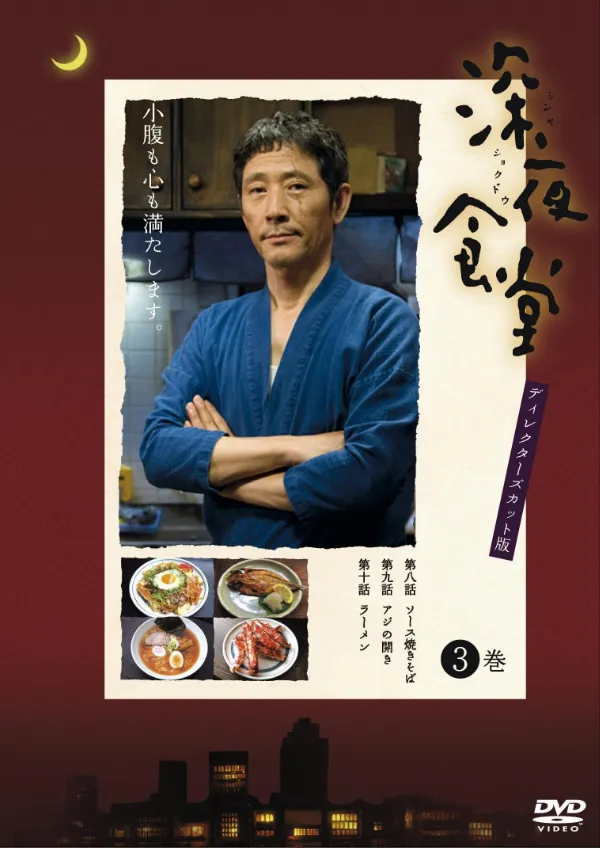
📚Plot Summary: Tucked away in a quiet alley in Tokyo’s Shinjuku district, a tiny diner operates only from midnight until 7 a.m. Its menu features only one item—pork miso soup set meal—but the owner (known only as “The Master“) will cook anything a customer requests, as long as he has the ingredients. Each episode follows a different customer who walks through the door, revealing their personal struggles, joys, and secrets over a warm meal.
📍Viewing Tips :
-
Watch each episode twice: first with English subtitles to grasp the story, then with Japanese subtitles to match sounds to written words
-
Keep a notebook handy for food-related vocabulary (e.g., 味噌汁 misoshiru, 焼き魚 yakizakana)
-
Practice “shadowing”—pause after a short line and repeat it aloud, mimicking the actor’s intonation
-
The episodic structure means you can jump in at any point without feeling lost
2. The Makanai: Cooking for the Maiko House – Gentle Kyoto Dialect & Everyday Life
⭐Why It‘s Special: Set in Kyoto’s geiko (geisha) district, this show offers clear, unhurried dialogue and rich cultural immersion without overwhelming language complexity.
| Category | Details |
|---|---|
| Director | Hirokazu Kore-eda |
| Cast | Nana Mori (Kiyo), Natsuki Deguchi (Sumire), Aju Makita, Mayu Matsuoka |
| Genre | Slice of Life / Food / Drama |
| Runtime | ~50 minutes per episode, 9 episodes |
| Where to Watch | Netflix |
💎Why Watch (Language Learning Value) : The pacing is intentionally slow, making it one of the most learner-friendly Japanese shows on Netflix. The dialogue is repetitive and clear, and the cultural context—Kyoto traditions, formal greetings, kitchen vocabulary—is rich without being overwhelming. You‘ll hear everyday expressions repeated naturally throughout the series, helping reinforce vocabulary through context. The show also touches on keigo (honorific language) as characters navigate hierarchical relationships in the maiko house.
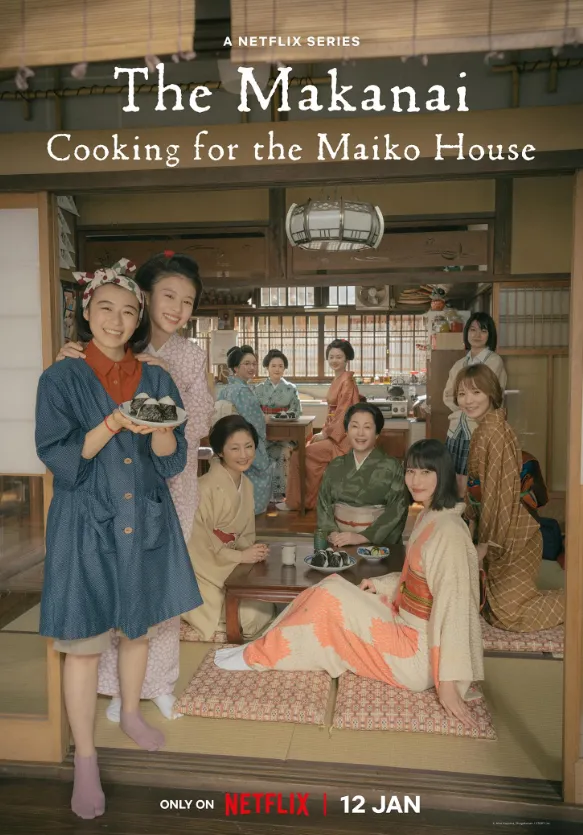
📚Plot Summary: Two best friends leave their hometown to pursue their dreams in Kyoto’s geiko district. While Sumire quickly rises as a talented maiko (apprentice geisha), Kiyo discovers her true calling lies not on stage but in the kitchen, as the live-in cook (makanai) for the maiko house. The series follows their daily routines, friendships, and growth through food and tradition.
📍Viewing Tips :
-
Focus on listening for kitchen commands and food descriptions—these use high-frequency vocabulary
-
Notice the shift in politeness level when characters speak to senior maiko versus close friends
-
Use the “repeat” function to practice lines from meal scenes; cooking-related phrases are extremely practical
-
If you find the Kyoto dialect challenging, remember that most dialogue is standard Japanese with only subtle regional touches
3. My Neighbor Totoro – The Perfect Starting Point for Absolute Beginners
⭐Why It‘s Special: Widely regarded as the single best starting point for Japanese listening comprehension. Children speak plainly and directly—ideal for zeroing in on word boundaries and basic sentence structures.
| Category | Details |
|---|---|
| Director | Hayao Miyazaki |
| Cast | Chika Sakamoto (Mei), Noriko Hidaka (Satsuki), Hitoshi Takagi (Totoro) |
| Genre | Animation / Family / Fantasy |
| Runtime | 86 minutes |
| Where to Watch | Netflix, Disney+, Max |
💎Why Watch (Language Learning Value) : This film may be the most learner-friendly Japanese movie ever made. The two main characters are children, so they speak simply and directly—naming what they feel and asking questions without ambiguity. Adults respond in ways that children can comprehend, using short sentences and familiar vocabulary. You’ll hear the same expressions for fear, excitement, hunger, and reassurance again and again, each time anchored to a clear emotional context. For beginners, this builds invaluable confidence: you stop guessing what’s being said and start hearing Japanese attach itself to meaning in real time.
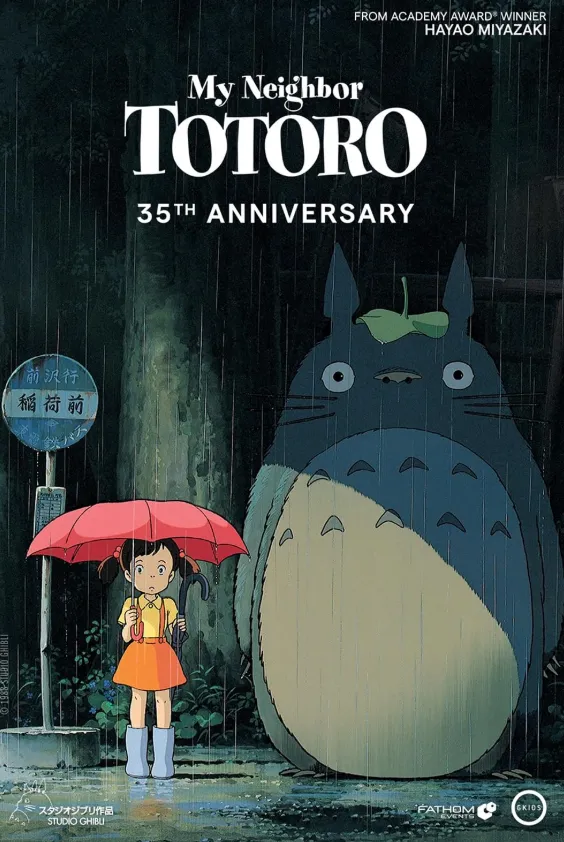
📚Plot Summary: Two young sisters, Satsuki and Mei, move to the countryside with their father to be closer to their hospitalized mother. They soon discover that the surrounding forests are inhabited by magical creatures called “Totoro”—a giant, gentle forest spirit. Together, they embark on small adventures that teach lessons about family, courage, and the wonder of nature.
📍Viewing Tips :
-
First viewing: Watch with Japanese subtitles while also listening to the audio. Pause frequently
-
Second viewing: Attempt without any subtitles—the visual storytelling is so strong you‘ll follow the plot even if you miss words
-
Note the difference between Satsuki (older, more articulate) and Mei (younger, simpler speech)—great for understanding age-appropriate language
-
Practice the repeated phrases like ただいま (I’m home) and おかえり (welcome home) until they feel automatic
4. Kiki‘s Delivery Service – Practical Japanese for Young Adults
⭐Why It‘s Special: Kiki is older than Totoro’s protagonists—she’s navigating independence, running a business, and interacting with adults. Perfect for learners ready to move beyond basic family vocabulary.
| Category | Details |
|---|---|
| Director | Hayao Miyazaki |
| Cast | Minami Takayama (Kiki), Rei Sakuma (Jiji), Kappei Yamaguchi (Tombo) |
| Genre | Animation / Coming-of-Age / Fantasy |
| Runtime | 103 minutes |
| Where to Watch | Netflix, Disney+, Max |
💎Why Watch (Language Learning Value) : Because Kiki is running a business, you‘ll hear practical customer-service phrases and polite language naturally throughout the film. The conversations remain straightforward while introducing a wider range of everyday expressions—ordering at bakeries, asking for directions, apologizing when things go wrong, and asking for help directly. Characters also allow space between lines, making word boundaries easier to identify. The film’s vocabulary is slightly more advanced than Totoro, making it a perfect bridge from absolute beginner to lower-intermediate.
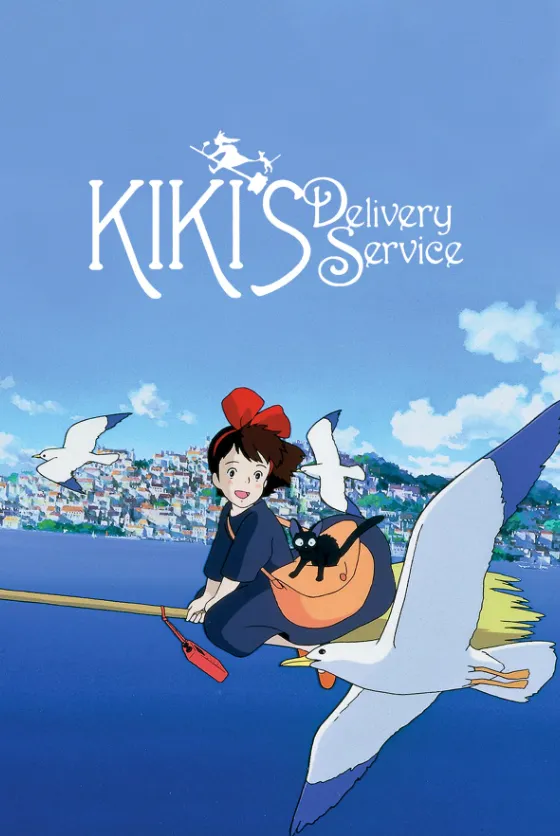
📚Plot Summary: A young witch named Kiki must spend a year living independently in a new town as part of her training. She starts a delivery service using her broom, befriending a baker and her husband, a boy obsessed with aviation, and an artist living in the forest. Along the way, she faces self-doubt, burnout, and the ordinary challenges of growing up.
📍Viewing Tips :
-
Pay special attention to keigo (honorific language) in customer interactions: いらっしゃいませ (irasshaimase), かしこまりました (kashikomarimashita)
-
Notice how Kiki’s speech becomes less formal when talking to friends like Tombo or Ursula
-
Great for food vocabulary (bread, bakery items) and action verbs related to delivery work
-
Use the delivery scenes to practice counting numbers and understanding time expressions
5. Full-Time Wife Escapist – Modern Japanese Conversational Gold
⭐Why It‘s Special: A phenomenal choice for intermediate beginners. Romantic comedy format offers everyday conversations, clear distinctions between formal/casual speech, and highly relatable relationship dialogue.
| Category | Details |
|---|---|
| Director | Kanji Furutachi |
| Cast | Yui Aragaki (Mikuri), Gen Hoshino (Hiramasa), Jin Shirasu |
| Genre | Romantic Comedy / Drama |
| Runtime | ~45 minutes per episode, 11 episodes |
| Where to Watch | Netflix, Viki, Prime Video |
💎Why Watch (Language Learning Value) : The show is a goldmine for understanding the contrast between Japanese politeness levels. Mikuri and Hiramasa start out extremely formal with each other (using keigo and the -ます form), but as their relationship warms, their speech becomes increasingly casual. Hearing this shift happen naturally over 11 episodes is like a masterclass in Japanese pragmatics. You’ll also pick up vocabulary related to housework, office life, and modern romance. Plus, the dialogue is funny and engaging—you’ll want to binge, which means more immersion time.

📚Plot Summary: After graduating with a graduate degree but struggling to find full-time employment, Mikuri starts working as a housekeeper for Hiramasa, a fastidious single salaryman. When her family pressures her to leave Tokyo, she proposes an unusual arrangement: a contract marriage where she works as his full-time wife in exchange for room, board, and salary. What starts as a purely transactional arrangement slowly blossoms into something more genuine.
📍Viewing Tips :
-
Track how the main characters‘ speech changes from Episode 1 to Episode 11—note the increasing use of casual forms (e.g., 食べる vs 食べます)
-
Episode 3 features the legendary “cuddle dance” scene with repeated phrases perfect for shadowing
-
Pay attention to work-related vocabulary: 仕事 (shigoto), 契約 (keiyaku), 転職 (tenshoku)
-
The show addresses emotional labor in relationships—great for learning how Japanese people express emotions indirectly
6. First Love – Slow-Burn Romance with Emotional, Accessible Language
⭐Why It‘s Special: Inspired by Hikaru Utada’s iconic songs, this visually stunning Netflix drama offers slow-burn storytelling with emotionally resonant yet accessible dialogue. The dual-timeline structure naturally repeats key phrases and memories.
| Category | Details |
|---|---|
| Director | Yuri Kanchiku |
| Cast | Hikari Mitsushima (Yae Noguchi), Takeru Satoh (Harumichi Namiki), Kaho, Rikako Yagi |
| Genre | Romance / Drama |
| Runtime | ~50 minutes per episode, 9 episodes |
| Where to Watch | Netflix |
💎Why Watch (Language Learning Value) : The dialogue is deliberate and emotionally weighted, but the vocabulary remains largely accessible. Because the story alternates between two timelines, you‘ll hear the same characters at different ages, using language appropriate to their life stage—a unique opportunity to observe how Japanese speech changes over a lifetime. The slower pacing means you won’t feel rushed, and the visual storytelling is so strong that you can often deduce meaning from context. The domestic scenes (family dinners, taxi rides, home conversations) are especially valuable for learning natural, everyday Japanese.

📚Plot Summary: Spanning the late 1990s to the present day, First Love follows Yae and Harumichi, two teenagers who fall deeply in love for the first time. After a tragic accident separates them, they go their separate ways—Yae becomes a taxi driver struggling with memory loss after a car accident, while Harumichi pursues a career as a security guard. Twenty years later, fate brings them back together, forcing them to confront lost memories, shattered dreams, and the possibility of a second chance.
📍Viewing Tips :
-
The nonlinear timeline means key phrases are repeated across episodes—use this to reinforce memory
-
Focus on the 1990s timeline first; the dialogue in those episodes is simpler and more straightforward
-
Listen for expressions of regret (後悔 kōkai) and longing (会いたい aitai)—these are highly useful emotional vocab
-
If the emotion-heavy dialogue feels advanced, watch with Japanese subtitles and look up 5–10 new words per episode
7. Shoplifters – Authentic Family Dialogue at Its Finest
⭐Why It‘s Special: Palme d’Or winner. Hirokazu Kore-eda‘s masterpiece features incredibly authentic, natural family conversations—slow-paced, realistic, and full of everyday Japanese you won’t find in textbooks.
| Category | Details |
|---|---|
| Director | Hirokazu Kore-eda |
| Cast | Lily Franky (Osamu), Sakura Andō (Nobuyo), Kirin Kiki (Hatsue), Mayu Matsuoka (Aki), Jyo Kairi (Shota) |
| Genre | Drama / Crime |
| Runtime | 121 minutes |
| Where to Watch | Amazon Prime Video, Hulu, Kanopy |
💎Why Watch (Language Learning Value) : This film may be the single best resource for learning authentic, natural spoken Japanese. The conversations flow as they do in real life—with interruptions, overlapping speech, casual forms, and genuine family dynamics. You‘ll clearly hear the difference between how kids talk to parents versus how adults talk to each other. The pacing is slower than typical dramas, with many quiet scenes that give you time to absorb the atmosphere and process what you’re hearing. Because the family lives on society‘s margins, you’ll also encounter informal, rough-around-the-edges speech—invaluable for understanding the full range of Japanese communication.
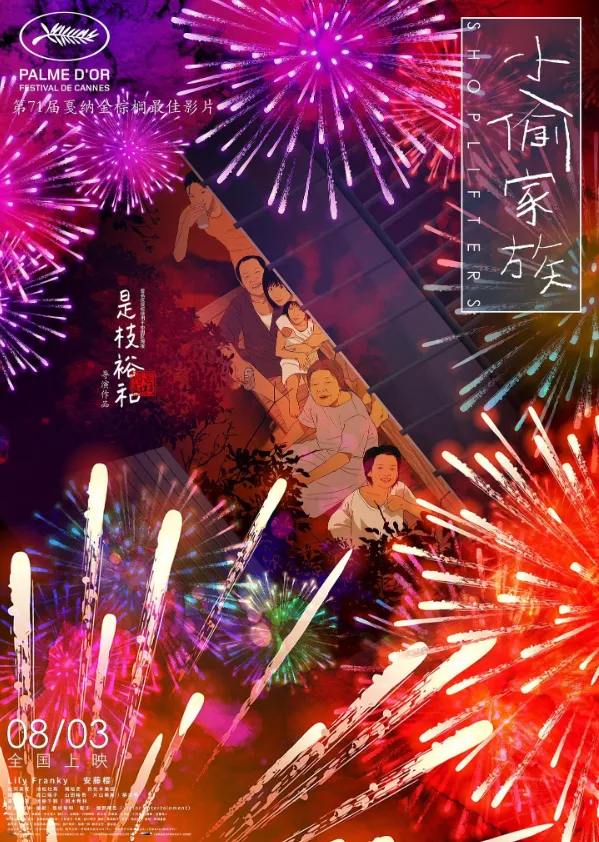
📚Plot Summary: On the margins of Tokyo, a family of small-time shoplifters struggles to survive. One cold night, they find a young girl named Yuri shivering on her apartment balcony, clearly neglected by her parents. They bring her home, and despite their poverty, she becomes part of their unconventional household. The film explores profound questions about what truly makes a family—blood ties or the bonds we choose—without ever spelling out easy answers.
📍Viewing Tips :
-
Warning: This film deals with heavy themes (poverty, neglect, death) and is rated R. Not for all beginners emotionally, but linguistically priceless
-
Watch with Japanese subtitles and focus on how characters switch between addressing each other (名前+さん, お父さん, お母さん)
-
Pay attention to sentence endings—you‘ll hear casual forms (〜だ, 〜じゃん, 〜ない) constantly
-
Note the difference between Osamu’s speech (masculine, direct) and Nobuyo’s (softer, sometimes more indirect)
-
The final 20 minutes contain some of the most emotionally powerful—and linguistically revealing—dialogue in modern Japanese cinema
8. Terrace House – Unscripted Japanese: The Ultimate Listening Test
⭐Why It‘s Special: Unlike scripted dramas, this reality show features genuine, unscripted conversations among real young Japanese people. You’ll hear natural Japanese as it‘s actually spoken—complete with filler words, overlaps, and the full spectrum of politeness levels.
| Category | Details |
|---|---|
| Director | No director (reality format) |
| Cast | Rotating cast of 6 housemates (3 men, 3 women) per season, plus panelist commentators |
| Genre | Reality TV / Slice of Life |
| Runtime | ~35–45 minutes per episode, multiple seasons (Boys & Girls in the City, Opening New Doors, Tokyo 2019–2020, Aloha State) |
| Where to Watch | Netflix |
💎Why Watch (Language Learning Value) : If you want to understand real Japanese—the way it‘s actually spoken between friends, coworkers, and potential romantic interests—Terrace House is your ultimate resource. Because it’s unscripted, you‘ll hear natural speech patterns: incomplete sentences, filler words (あの, えっと, まあ), overlapping dialogue, and the full range from casual to polite forms used spontaneously. You’ll also learn modern slang and youth expressions that no textbook will teach you. The panelist segments are equally valuable—they use conversational Japanese while commenting on social situations, helping you understand cultural context.
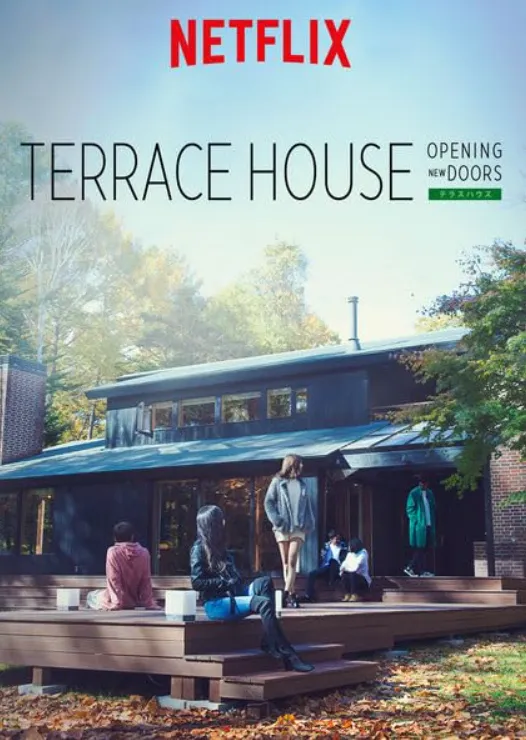
📚Plot Summary: Six strangers—three men and three women, ranging from teenagers to their 30s—move into a luxurious house together. There is no script, no assigned challenges, and no forced drama. The cameras simply observe them living their lives: cooking meals, going to work, dating, making friends, arguing, and moving on. A panel of comedians watches alongside the audience, providing hilarious commentary that reveals cultural nuances.
📍Viewing Tips :
-
Note: Some episodes were removed from certain seasons out of respect for cast member families. Available content varies by region
-
Focus first on understanding the gist of conversations without pausing constantly—real speech is messy
-
Pay attention to aizuchi (back-channeling like うん, そう, なるほど)—these tiny words are essential for sounding natural in Japanese
-
The dating scenes are especially good for learning romantic expressions and how people navigate politeness in intimate settings
-
Consider using a browser extension like Sabi to view dual Japanese/English subtitles while streaming
9. Spirited Away – Studio Ghibli’s Timeless Language Masterpiece
⭐Why It‘s Special: Globally beloved, visually stunning, and linguistically rich without being overwhelming. Repetitive key phrases, clear voice acting, and deep cultural immersion make this a favorite among intermediate learners.
| Category | Details |
|---|---|
| Director | Hayao Miyazaki |
| Cast | Rumi Hiiragi (Chihiro), Miyu Irino (Haku), Mari Natsuki (Yubaba/Zeniba), Takashi Naito (Kamaji) |
| Genre | Animation / Fantasy / Adventure |
| Runtime | 125 minutes |
| Where to Watch | Max, Amazon Prime Video, Netflix (region-dependent) |
💎Why Watch (Language Learning Value) : Spirited Away is one of the most internationally successful Japanese films for good reason—its storytelling is universal, and its dialogue is designed to be accessible to children while still rich enough for adults. Key phrases are repeated throughout the film (e.g., お願いします onegaishimasu, 気をつけて ki o tsukete, お世話になります osewa ni narimasu), which is exactly what language learners need: reinforcement through repetition. The bathhouse workplace setting introduces keigo (honorific speech) in context—you‘ll hear employees using respectful language with Yubaba and casual speech among themselves. The audio mixing is exceptionally clear, making word boundaries easy to distinguish.

📚Plot Summary: Ten-year-old Chihiro and her parents stumble into an abandoned amusement park that transforms at dusk into a spirit world. When her parents are turned into pigs after eating food meant for spirits, Chihiro must work in a magical bathhouse run by the terrifying witch Yubaba to find a way to free them and return to the human world.
📍Viewing Tips :
-
The first 15 minutes (Chihiro and her parents in the abandoned park) use simpler Japanese than the bathhouse scenes
-
Practice the phrase いただきます (itadakimasu)—it appears multiple times in food-related scenes
-
Notice how Chihiro’s Japanese becomes more confident and polite as the story progresses; her character arc is mirrored in her language use
-
Watch with Japanese subtitles and use the pause button generously in Yubaba’s dialogue—her speech is faster than other characters
10. Rebooting – Hilarious Casual Japanese for Young Adults
⭐Why It’s Special: A recent hit with witty, fast-paced, and highly natural dialogue between friends. The repetitive “reset” structure means you‘ll hear the same conversations multiple times—perfect for reinforcing vocabulary while laughing along.
| Category | Details |
|---|---|
| Director | Bakarhythm (also writer and lead actor) |
| Cast | Bakarhythm, Kurumi Inagaki, Ryuhei Matsuda, Machiko Ono |
| Genre | Comedy / Fantasy / Slice of Life |
| Runtime | ~45 minutes per episode, 10 episodes |
| Where to Watch | Netflix Japan (VPN may be required outside Japan) |
💎Why Watch (Language Learning Value) : This show is absolutely hilarious and features some of the most natural casual Japanese you’ll find in recent J-dramas. Because the protagonist lives the same life multiple times, key conversations and situations repeat with slight variations—ideal for language acquisition through spaced repetition. The dialogue is packed with young adult expressions, casual grammar (〜ちゃう, 〜じゃん, 〜って感じ), and the kind of spontaneous banter you‘d hear among close friends. It’s funny, easy to follow, and full of highly relatable moments that keep you engaged while your brain absorbs the language.

📚Plot Summary: A completely ordinary woman in her 30s, living a thoroughly unremarkable life, suddenly dies and gets the chance to restart her life from the beginning. Again. And again. Each reset allows her to make different choices, leading to wildly different outcomes—from saving a friend‘s life to accidentally becoming a business tycoon. The humor comes from the everyday absurdity of small decisions having huge consequences.
📍Viewing Tips :
-
The first two episodes establish the “reset“ pattern—don‘t get frustrated if you don’t understand everything immediately
-
Pay attention to the same lines spoken differently in each timeline—this variation helps you understand nuance
-
Great for learning casual sentence-ending particles like 〜よ, 〜ね, 〜よね in authentic contexts
-
If you‘re not yet comfortable with casual Japanese, watch with Japanese subtitles and build your vocabulary gradually
🎯A Beginner's Guide: Choose the Right Japanese Movie or Show for Your Learning
Let’s be honest: nothing kills your motivation faster than opening a hyped-up Japanese drama, only to realize the characters speak at warp speed or use ancient samurai dialect. If you've ever asked yourself, “Why can't I understand anything without English subtitles?” or “Which show actually matches my Japanese level?”, this checklist is for you.
Here is how to stop wasting time scrolling and start choosing content that actually boosts your fluency.
Step 1: Know Your Real Level (Not the One You Wish You Had)
| If you… | Your level | Start with… |
|---|---|---|
| Know hiragana/katakana and ~200 words | Absolute beginner (JLPT N5) | Children’s anime, slice‑of‑life with slow, clear speech. My Neighbor Totoro, Ponyo, Midnight Diner. |
| Can follow simple daily conversations (greetings, shopping, family) | Beginner (JLPT N5–N4) | Teen/adult slice‑of‑life and romance. Kiki’s Delivery Service, Good Morning Call, The Makanai. |
| Understand main points on familiar topics; struggle with speed | Lower‑intermediate (JLPT N4–N3) | Romantic comedies and family dramas. Full‑Time Wife Escapist, First Love, Shoplifters. |
| Can watch without English subs but miss details | Intermediate (JLPT N3) | Unscripted or faster dialogue. Terrace House, Quartet, Brush Up Life. |
Pain point solved: No more wasting time on shows that are too hard. Pick your level → pick from the column.
Step 2: Choose the Right Genre – Avoid These Common Traps
| If you want to learn… | Avoid… | Instead watch… |
|---|---|---|
| Everyday conversation | Historical dramas (taiga), samurai films | Slice‑of‑life, rom‑coms, family stories |
| Polite workplace Japanese | Teen slang, rough street talk | Dramas set in offices, restaurants, shops (Midnight Diner, The Makanai) |
| Natural, real speech | Over‑the‑top anime (fantasy, mecha, shounen) | Live‑action, reality TV (Terrace House) |
| Clear pronunciation | Mumbling characters, heavy dialects | Studio Ghibli films, NHK morning dramas (asadora) |
Pain point solved: Stop learning unnatural “anime Japanese” or useless archaic phrases. Match genre to your real‑world goal.
Step 3: Use Subtitles the Smart Way (Don’t Just Turn on English)
The biggest mistake learners make: watching with English subtitles and ignoring the Japanese audio. That trains your eyes, not your ears.
| Your level | Subtitle strategy |
|---|---|
| Absolute beginner | Japanese audio + English subtitles → focus on matching sounds to written meaning |
| Beginner | Japanese audio + Japanese subtitles → pause, read, listen |
| Lower‑intermediate | Japanese audio + Japanese subtitles (without pausing) → try to keep up |
| Intermediate | Japanese audio + NO subtitles → shadow and guess from context |
Pain point solved: You will actually improve listening comprehension, not just read English faster.
Step 4: Check the “Language Difficulty” Before You Click Play
Look for these clues in any show or movie:
| Easy (for N5–N4) | Medium (N4–N3) | Hard (N3+) |
|---|---|---|
| Main character is a child | Main character is a student / young adult | Fast, overlapping dialogue |
| Short sentences | Longer, connected sentences | Slang, idioms, dialects |
| Repetitive phrases | Some new vocabulary per scene | Topic changes quickly |
| Visual context is strong | Less visual explanation | Unscripted / reality TV |
Pain point solved: No more guessing if a show is “too hard” before you waste 20 minutes.
Step 5: Follow the 10‑Minute Test
Not sure if a drama is right for you? Try this:
-
Play the first 10 minutes of any episode (no skipping around).
-
Count how many sentences you can understand the main meaning of.
-
More than 5 sentences → Good level
-
2–5 sentences → Okay, but watch with Japanese subtitles
-
0–1 sentence → Too hard. Save it for later.
-
Pain point solved: Stop dropping shows after 2 episodes because you feel lost. Test before you commit.
📌 Final Tips for Learning Japanese Through Dramas & Movies
-
Watch with Japanese subtitles, not English. English subtitles teach you English; Japanese subtitles help you connect sounds to written words.
-
Don‘t aim to understand everything. If you catch 30–40% on your first viewing of a new show, you’re doing great. Rewatch the same episode or film after a few months and you‘ll be shocked at your progress.
-
Use active techniques like shadowing (repeating lines aloud), sentence mining (extracting useful phrases into a flashcard app like Anki), and pausing to look up words.
-
Choose shows you genuinely enjoy. Language acquisition happens best when you’re having fun. If you hate the genre, switch to something you love.
-
Combine media with structured study. Dramas won‘t replace textbooks for grammar explanations, but they’re unbeatable for listening comprehension, vocabulary in context, and cultural fluency.
-
Be patient with unfamiliar dialects or speech styles. Some characters use rougher slang (Sanctuary), Osaka dialect, or Okinawan dialect (Okinawa de Suki ni Natta Ko ga Hougen Sugite Tsura Sugiru)—these are advanced content. Stick to standard Japanese for learning basics.
💡Continue Your Journey
Ready to go deeper? Here are excellent resources for finding more Japanese content tailored to learners:
-
JFF+ (Japan Film Foundation Plus): Expert-curated Japanese film recommendations for language learners
-
LearnNatively.com: User-rated difficulty levels for Japanese books, dramas, and movies
-
MyDramaList.com: Community reviews and watchlists for J-dramas across all genres
⚒FAQs: About Learning Japanese with Movies & Dramas
It is completely normal to run into roadblocks when transitioning from textbooks to native Japanese media. Here are the 8 most common questions learners ask, along with practical solutions to overcome them.
| # | Questions | Answers & Solutions |
| 1 | "Should I watch with English subtitles or Japanese subtitles?" | Start with English, then switch to Japanese. Use English subtitles on your first watch to understand the plot. On your second watch, turn on Japanese CC (Closed Captions) to connect the spoken sounds directly to Kana and Kanji. |
| 2 | "What should I do when characters speak too fast for me to follow?" | Slow down the playback speed. Platforms like Netflix, YouTube, and Viki allow you to adjust the speed to 0.75x or 0.85x. This gives your brain more time to process word boundaries without distorting the audio too much. |
| 3 | "I feel overwhelmed trying to look up every single unknown word. How do I stop?" | Apply the 5-Word Rule. Do not stop the video for every word. Only look up high-frequency words that you hear multiple times or words that are absolutely crucial to understanding the main plot. Aim for just 5 words per episode. |
| 4 | "Is anime or live-action better for learning conversational Japanese?" | Live-action is superior for real-world speech. While anime is fantastic for engagement, characters often speak with overly dramatic, aggressive, or unrealistic pronouns and endings. Live-action dramas teach you how real people actually talk in modern Tokyo. |
| 5 | "How do I know if a character is speaking politely or casually?" | Listen for sentence endings. If you constantly hear verbs ending in -masu or sentences ending in -desu, they are using polite form (Keigo). If sentences end directly in short-form verbs, nouns, or particles like ne or yo, it is casual speech. |
| 6 | "I can understand the words individually, but why can't I understand the whole sentence?" | Blame grammar structure. Japanese uses a Subject-Object-Verb (SOV) layout, which is the exact opposite of English. Practice listening all the way to the very end of the sentence, as the final verb or negative marker flips the entire meaning. |
| 7 | "Will watching regional dialects (like Kansai-ben) ruin my standard Japanese?" | It won't ruin it, but it might confuse you. For beginners, it is best to stick to standard Tokyo Japanese (Hyojungo). Once you hit an intermediate level, exposure to dialects like Osaka's Kansai-ben is great for cultural depth, but don't mimic it yet. |
| 8 | "How many times do I need to rewatch an episode for it to count as studying?" | Twice is the sweet spot. Dedicating hours to rewatching the same 20-minute clip over and over will cause burnout. Watch once for fun, once for active study with Japanese subtitles, and then move on to a new episode to keep your motivation high. |
Which show will you start with? My Neighbor Totoro is the safest bet for absolute beginners; Full-Time Wife Escapist is ideal for intermediate learners wanting romantic comedy gold. Whichever you choose, enjoy the journey—and がんばって (ganbatte—do your best)!