If you want to transition from a textbook classroom speaker to someone who genuinely understands real British culture, upgrading your watchlist is the ultimate shortcut. While traditional language apps teach you formal vocabulary, nothing prepares you for real-world interactions quite like immersive media. However, with hundreds of titles spread across various network networks, finding the right material can be overwhelming. Which contemporary shows give you the best exposure to authentic regional dialects? How can a beginner use conversational dramas to absorb everyday phrasing without getting lost? Are these shows too difficult for intermediate learners? And which apps or services are hosting these titles in 2026? To save you hours of aimless searching, we have curated a definitive list of top-tier television programs tailored for language learners, complete with the best streaming channels to access them right now.
📊Best Beginner-Friendly British Series for English Learners: At a Glance
The following index categorizes highly rated UK series based on their difficulty level, linguistic focus, and where to stream them.
| Series | Year | Cast | Genre | IMDb | Why Watch | Difficulty | Where to Watch |
|---|---|---|---|---|---|---|---|
| Peep Show | 2003–2015 | David Mitchell, Robert Webb, Olivia Colman | Sitcom | 8.7 | South London English, everyday slang | ★★★★☆ | Netflix, Channel 4 |
| Doc Martin | 2004–2022 | Martin Clunes | Comedy Drama | 8.4 | Small-town conversations | ★★ | BritBox |
| The IT Crowd | 2006–2013 | Chris O'Dowd, Richard Ayoade, Katherine Parkinson | Sitcom | 8.5 | Workplace banter, British humour, modern slang | ★★★★☆ | Netflix, Channel 4 |
| Gavin & Stacey | 2007–2019 | Mathew Horne, Joanna Page | Sitcom | 8.2 | Welsh & Southern accents | ★★★ | BBC iPlayer |
| Downton Abbey | 2010–2015 | Hugh Bonneville, Maggie Smith | Period Drama | 8.7 | High-Society vs. Working-Class | ★★★ | Netflix, BritBox, PBS |
| Sherlock | 2010–2017 | Benedict Cumberbatch, Martin Freeman | Crime Drama | 9.0 | Crystal-clear RP accent, elegant vocabulary | ★★★★☆ | Netflix, BBC iPlayer |
| The Great British Bake Off | 2010– | Paul Hollywood, Prue Leith | Reality | 8.6 | Everyday conversations, food vocabulary, polite expressions | ★ | Netflix (selected regions), Channel 4 |
| Call the Midwife | 2012– | Jenny Agutter, Helen George | Drama | 8.6 | Clear pronunciation, family vocabulary | ★★ | Netflix (selected), BBC iPlayer |
| Broadchurch | 2013–2017 | David Tennant, Olivia Colman | Crime Drama | 8.4 | West Country & Scottish Accents | ★★★ | Amazon Prime Video |
| Father Brown | 2013– | Mark Williams | Mystery | 7.8 | Clear pronunciation | ★★ | BritBox |
| Peaky Blinders | 2013–2022 | Cillian Murphy, Helen McCrory, Paul Anderson | Crime Drama | 8.8 | Birmingham (Brummie) accent, period slang | ★★★★★ | Netflix |
| Detectorists | 2014–2022 | Mackenzie Crook, Toby Jones | Comedy | 8.7 | Slow-paced conversations | ★ | BBC iPlayer |
| The Crown | 2016–2023 | Claire Foy, Olivia Colman, Imelda Staunton | Historical Drama | 8.7 | Received Pronunciation, royal vocabulary | ★★★☆☆ | Netflix |
| Fleabag | 2016–2019 | Phoebe Waller-Bridge, Sian Clifford, Andrew Scott | Comedy-Drama | 8.7 | Contemporary London English, dry wit, modern slang | ★★★★☆ | Amazon Prime Video |
| Victoria | 2016–2019 | Jenna Coleman | Historical Drama | 8.2 | Formal British English | ★★★ | Prime Video |
| Derry Girls | 2018–2022 | Saoirse-Monica Jackson, Louisa Harland, Nicola Coughlan | Comedy | 8.5 | Northern Irish accent, 90s slang | ★★★★★ | Netflix |
| Ghosts | 2019–2023 | Charlotte Ritchie, Kiell Smith-Bynoe | Comedy | 8.4 | Everyday British humor | ★★ | BBC iPlayer |
| Sex Education | 2019–2023 | Asa Butterfield, Gillian Anderson, Ncuti Gatwa | Comedy-Drama | 8.2 | Modern teenage British English, contemporary slang | ★★★ | Netflix |
| After Life | 2019–2022 | Ricky Gervais, Kerry Godliman, Tom Basden | Black Comedy-Drama | 8.4 | Everyday conversational English, modern British slang | ★★★ | Netflix |
| All Creatures Great and Small | 2020– | Nicholas Ralph | Drama | 8.6 | Gentle Yorkshire accent | ★★ | PBS Masterpiece |
| Ted Lasso | 2020–2023 | Jason Sudeikis, Hannah Waddingham | Sports Comedy | 8.8 | American vs. British Idioms | ★★ | Apple TV+ |
| Heartstopper | 2022– | Kit Connor, Joe Locke | Teen Drama | 8.6 | Modern teenage English | ★★ | Netflix |
✨Top British TV Series to Learn British English: Deep Dive
1. Sherlock — Perfect for High-Level Listening Comprehension & Sarcasm
Language Focus: Received Pronunciation (RP), formal vocabulary, fast-paced urban British English
Director: Steven Moffat & Mark Gatiss
Cast: Benedict Cumberbatch, Martin Freeman, Una Stubbs, Mark Gatiss
Genre: Mystery Crime Drama
Runtime: 90 minutes per episode | 4 seasons, 13 episodes
Where to Watch: Netflix | BBC iPlayer | Amazon Prime Video
📕Why Watch: Benedict Cumberbatch's crisp, articulate RP accent is a masterclass in British English pronunciation. The dialogue is fast-paced and intellectually demanding, exposing learners to sophisticated vocabulary and complex sentence structures. The modern setting also introduces contemporary British expressions and urban slang, making it perfect for advanced learners who want to refine their listening comprehension and expand their formal vocabulary.
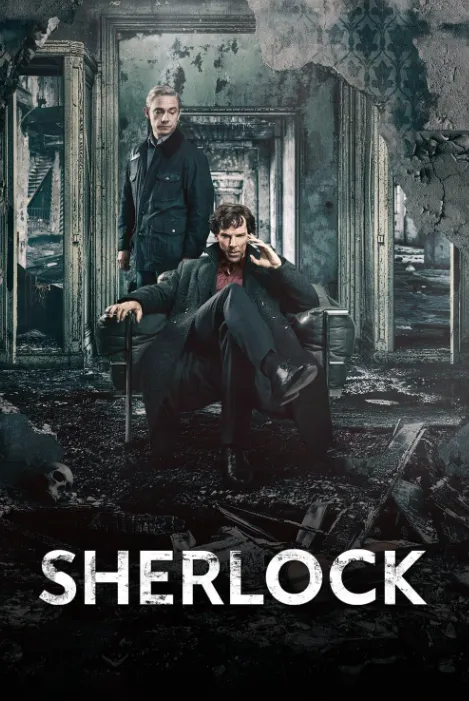
📚Plot Summary: A modern reimagining of Sir Arthur Conan Doyle's legendary detective stories, set in contemporary London. Benedict Cumberbatch plays a razor-sharp, socially awkward Sherlock Holmes who solves seemingly impossible crimes alongside his loyal partner, Dr. John Watson (Martin Freeman).
📍Viewing Tips:
-
Start with English subtitles to catch every word—the dialogue moves quickly.
-
Pause and rewind scenes with rapid exchanges to parse the vocabulary.
-
The show features occasional regional accents from supporting characters, offering exposure to Britain's diverse soundscape.
2. Downton Abbey — Master Class in Social Hierarchies & Class Accents
Language Focus: Upper-class Edwardian English, aristocratic vocabulary, clear articulation
Director: Julian Fellowes (Creator)
Cast: Hugh Bonneville, Maggie Smith, Michelle Dockery, Dan Stevens, Laura Carmichael, Jim Carter
Genre: Historical Period Drama
Runtime: 47–93 minutes per episode | 6 seasons, 52 episodes
Where to Watch: Netflix | BritBox | PBS | Amazon Prime Video
📕Why Watch: Widely regarded as a "masterclass in British pronunciation", Downton Abbey offers immaculate Received Pronunciation from the upper-class characters while contrasting it with regional Yorkshire accents from the servants. This dual exposure is invaluable—you learn both the "posh" English of the aristocracy and the more grounded speech of working-class Britain. The measured, deliberate pace of dialogue makes it highly accessible for intermediate learners.

📚Plot Summary: Set in the early 20th century inside a fictional Yorkshire country estate, this acclaimed series chronicles the lives, scandals, and structural shifts of the aristocratic Crawley family and the servants who work for them.
📍Viewing Tips:
-
Pay close attention to the contrast between how the Crawley family speaks versus their servants.
-
Note the formal register—phrases like "I take it," "one might suppose," and "how dreadful" appear frequently.
-
The show is also a window into British social history and etiquette.
3. The Crown — The Ultimate Masterclass in King's English (RP)
Language Focus: Received Pronunciation, diplomatic language, formal British English
Director: Peter Morgan (Creator)
Cast: Claire Foy (S1-2), Olivia Colman (S3-4), Imelda Staunton (S5-6), Matt Smith, Vanessa Kirby, Helena Bonham Carter, Josh O'Connor
Genre: Historical Drama, Biographical
Runtime: 39–72 minutes per episode | 6 seasons
Where to Watch: Netflix (Exclusively)
📕Why Watch: The Crown is the ultimate resource for mastering Received Pronunciation—the "Queen's English" traditionally associated with the BBC, British institutions, and formal contexts. The dialogue is impeccably articulated, slow enough to follow, and rich with diplomatic and political vocabulary. Claire Foy and Olivia Colman's portrayals offer two distinct interpretations of RP, giving learners varied models to study.

📚Plot Summary: This sweeping drama chronicles the political rivalries and personal romances of Queen Elizabeth II's historic reign, tracing the shifting cultural landscape of the United Kingdom from the mid-20th century up to the early 21st century.
📍Viewing Tips:
-
This is ideal for intermediate to advanced learners.
-
Try shadowing—repeat lines aloud while watching to practise intonation and rhythm.
-
The show also teaches British history and political terminology, making it doubly valuable for academic or professional English learners.
4. Fleabag — Masterful Use of Modern Satire & London Conversational Pace
Language Focus: Contemporary London English, dry British humour, modern slang, emotional expression
Director: Harry Bradbeer
Cast: Phoebe Waller-Bridge, Sian Clifford, Olivia Colman, Andrew Scott
Genre: Black Comedy-Drama
Runtime: 26–30 minutes per episode | 2 seasons, 12 episodes
Where to Watch: Amazon Prime Video | BBC iPlayer (UK)
📕Why Watch: Phoebe Waller-Bridge's creation is a goldmine for learning how contemporary Londoners actually speak. The show is packed with modern British slang, everyday expressions, and the unique rhythms of British small talk. Its masterful use of fourth-wall-breaking narration—where Fleabag speaks directly to the camera—provides unusually clear, isolated moments of speech that are perfect for language learners. The dialogue is sharp, fast, and emotionally charged, making it ideal for intermediate learners wanting to sound more natural.

📚Plot Summary: A hilarious and poignant window into the mind of a dry-witted, self-destructive young woman ("Fleabag") living in London, navigating grief, family dysfunction, romance, and modern life.
📍Viewing Tips:
-
Pay attention to Fleabag's asides to the camera—these are often slower and more deliberate, making them excellent for shadowing practice.
-
Note the abundance of British idioms and colloquialisms like "cheers," "brilliant," and "taking the piss."
-
It is an amazing cultural resource for learning how British people use humor to mask uncomfortable emotions.
5. Peep Show — Unfiltered British Slang & Point-of-View Comedy
Language Focus: South London English, everyday slang, internal monologue, contemporary British expressions
Director: Jesse Armstrong & Sam Bain (Creators)
Cast: David Mitchell, Robert Webb, Olivia Colman, Matt King
Genre: Sitcom
Runtime: 25 minutes per episode | 9 seasons, 54 episodes
Where to Watch: Netflix | Channel 4 (UK) | Disney+
📕Why Watch: Peep Show is unparalleled for learning how Brits actually think and speak. The first-person perspective gives you access to internal monologues—the raw, unfiltered language people use in their heads. This is everyday South London English at its most authentic, packed with slang, self-deprecating humour, and the anxieties of modern life. David Mitchell's RP-ish delivery contrasts brilliantly with the rougher edges of the show's slang, giving learners two registers in one show.
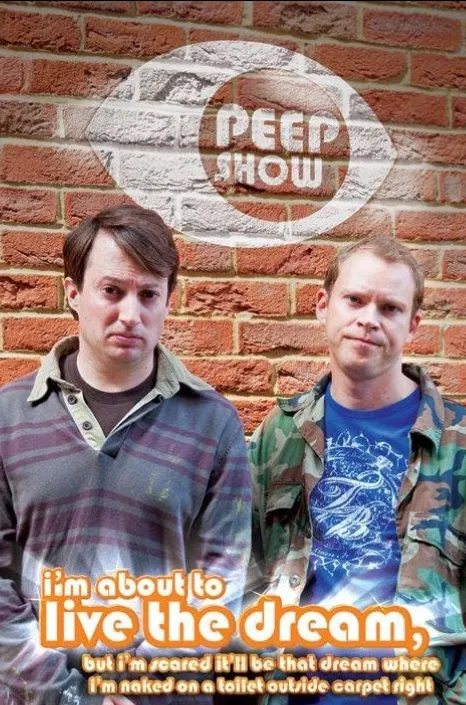
📚Plot Summary: Follows Mark (David Mitchell) and Jeremy (Robert Webb), two socially dysfunctional flatmates in South London with nothing in common except their shared, perpetually disastrous lives. The show famously uses a first-person point-of-view camera technique, allowing viewers to hear the characters' unfiltered inner thoughts.
📍Viewing Tips:
-
Advanced level—the internal monologue is fast and dense with cultural references.
-
Watch with English subtitles and be prepared to pause.
-
The show rewards rewatching; each viewing reveals new layers of slang and humour.
6. Sex Education — Best for Modern Gen-Z Slang and Street Phrases
Language Focus: Contemporary teenage slang, modern British expressions, conversational English
Director: Ben Taylor, Runyararo Mapfumo, Kate Herron, Dominic Leclerc, Sophie Goodhart, Alice Seabright
Cast: Asa Butterfield, Gillian Anderson, Ncuti Gatwa, Emma Mackey, Connor Swindells
Genre: Teen Comedy-Drama
Runtime: 45–60 minutes per episode | 4 seasons, 32 episodes
Where to Watch: Stream officially on Netflix
📕Why Watch: Sex Education is the definitive resource for learning how young Britons actually speak today. The show is brimming with contemporary British slang, informal expressions, and the conversational rhythms of modern teenage life. With a diverse cast featuring different regional accents—from Welsh to various English dialects—it's a comprehensive snapshot of 21st-century British English.
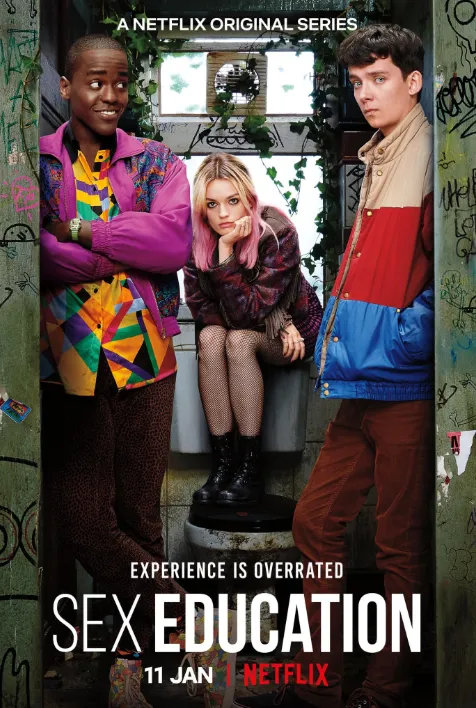
📚Plot Summary: Otis Milburn, an insecure and socially awkward high school student, team up with his rebellious classmate Maeve to establish an underground, unofficial sex therapy clinic at their school, drawing upon the professional knowledge of Otis's therapist mother.
📍Viewing Tips:
-
Perfect for intermediate learners wanting to modernise their vocabulary.
-
Keep a slang notebook—the show introduces new expressions in almost every scene.
-
The teen setting means dialogue is fast and colloquial, so don't worry if you need to rewind.
7. After Life — Everyday English with Heart
Language Focus: Everyday conversational English, modern British slang, emotional vocabulary
Director: Ricky Gervais
Cast: Ricky Gervais, Kerry Godliman, Tom Basden, Tony Way, Diane Morgan, Ashley Jensen
Genre: Black Comedy-Drama
Runtime: 25–31 minutes per episode | 3 seasons
Where to Watch: Netflix (Exclusively)
📕Why Watch: After Life features calm, deliberate speech and everyday vocabulary—perfect for learners who find fast-paced dialogue overwhelming. The show is anchored in quotidian life: grocery shopping, chatting with colleagues, expressing emotions. The cast features British comedians with varying accents, putting your listening skills to the test while keeping you entertained. Ricky Gervais's delivery is particularly clear and measured.
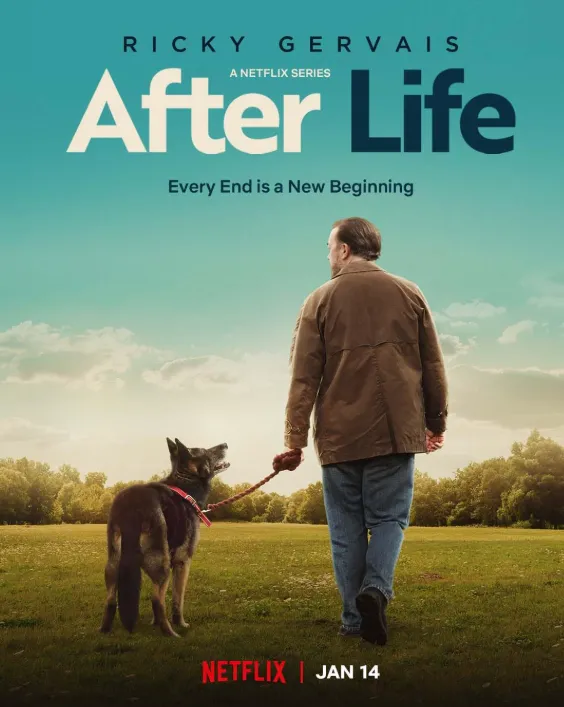
📚Plot Summary: Tony Johnson (Ricky Gervais) is a newspaper writer whose wife dies of breast cancer. Contemplating suicide, he instead decides to live—and to say and do whatever he wants as a way of punishing the world. What follows is a deeply moving, darkly comic exploration of grief, recovery, and human connection.
📍Viewing Tips: Excellent for intermediate learners—the slower pace makes it accessible. The emotional weight of the show means you'll encounter authentic expressions of grief, love, and everyday banter. Note the dry, quintessentially British humour woven throughout.
8. The IT Crowd — Best Sitcom for Simple, Repetitive Vocabulary
Language Focus: Workplace English, British humour, modern slang, Irish-English
Director: Graham Linehan
Cast: Chris O'Dowd (Irish), Richard Ayoade, Katherine Parkinson, Matt Berry
Genre: Sitcom
Runtime: 25 minutes per episode | 4 seasons
Where to Watch: Netflix | Channel 4 (UK) | Amazon Prime Video
📕Why Watch: This show is a crash course in British workplace banter, office slang, and the distinct rhythms of British comedy. With an Irish lead (Chris O'Dowd) and an English cast, it offers exposure to both Irish and British English in a single show. The repetition of catchphrases like "Have you tried turning it off and on again?" makes vocabulary stick.
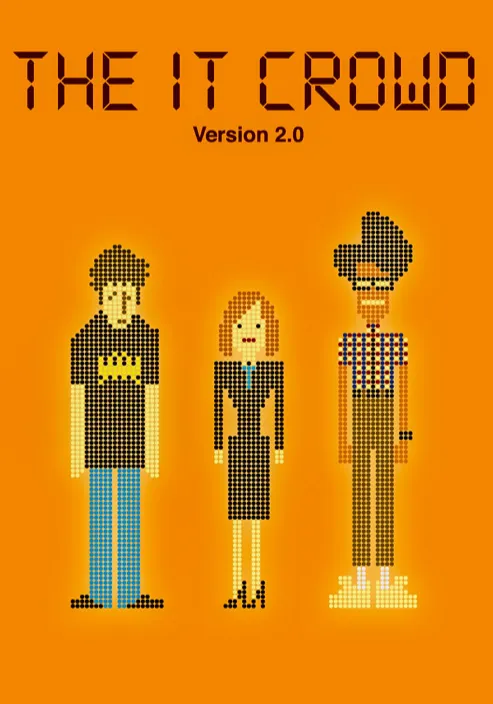
📚Plot Summary: A classic British sitcom following the socially inept IT department of a large London company—Roy (Irish), Moss (English), and their clueless department head Jen—as they navigate workplace absurdity from the basement of Reynholm Industries.
📍Viewing Tips:
-
The 25-minute episodes are perfect for daily learning sessions.
-
Watch with subtitles to catch the rapid-fire jokes.
-
British humour relies heavily on cultural references—don't be afraid to look up unfamiliar terms.
-
The show is a cult classic beloved by British learners worldwide.
🌐Where to Watch British Series: Streaming Platforms with English Subtitles
Finding the right platform is just as important as choosing the right series. For English learners, you should prioritize platforms that offer English subtitles, high-quality audio, and original UK content. Below is a clear breakdown of the best free and paid platforms to watch British TV series in 2026.
🆓Free Streaming Services (Ad-Supported or Licence-Funded)
If you want to upgrade your English skills without spending a dime, these platforms offer massive libraries of premium UK content completely for free.
Note: Many of these are UK-based networks. If you are accessing them from outside the United Kingdom, you may need a reliable VPN set to a UK server to bypass geo-restrictions.
| Platform | Cost | British TV Highlights | English Subtitles? | Best For |
|---|---|---|---|---|
| BBC iPlayer | Free (UK TV Licence required: £174.50/year) | Sherlock, Peaky Blinders, Fleabag, After Life, BBC classics and new releases | ✅ Yes — subtitles available on all on-demand and live programmes | All BBC dramas, documentaries, comedies |
| ITVX | Free (with ads) / Premium £5.99/mo | Classic and contemporary ITV dramas, British comedies, Downton Abbey (select seasons), box sets | ✅ Yes — subtitles work on 90%+ of programmes across all devices | ITV dramas, British box sets, reality TV |
| Channel 4 | Free (with ads) | The IT Crowd, Peep Show, Derry Girls, UKTV's U service content (including The Office, Red Dwarf, QI XL) | ✅ Yes — 99.9% of content has subtitles | Edgy British dramas, comedies, documentaries |
| My5 (Channel 5) | Free (with ads) | British dramas, factual entertainment, classic British shows | ✅ Yes — subtitles available on most content | Channel 5 dramas, documentaries, US imports |
| Pluto TV | Free (with ads, no sign-up required) | British drama channels, comedy channels, classic British series | ✅ Yes — on most on-demand content | Live TV channels, genre-specific content |
| Tubi | Free (with ads) | Select British dramas, comedies, and classic films | ✅ Yes — on most content | British films and TV, genre content |
| U (UKTV) | Free (with ads) | Bergerac, The Office, Red Dwarf, Mock the Week, QI XL — thousands of hours of free British content | ✅ Yes | British classics, box sets |
| STV Player | Free (with ads, UK only) | Hit dramas, box sets, documentaries — all free for UK viewers | ✅ Yes — on most content | Scottish-focused content, British dramas |
💰Paid & Subscription-Based Streaming Platforms for British Series
If you want an ad-free experience, multi-device streaming, and instant access to the latest premium global releases with masterfully vetted translations, these premium services are worth every penny.
| Platform | Cost | British TV Highlights | English Subtitles? | Best For |
|---|---|---|---|---|
| Netflix | £4.99–£17.99/mo (UK) / $6.99–$22.99/mo (US) | The Crown, Sherlock, Sex Education, Peaky Blinders, After Life, Downton Abbey | ✅ Yes — standard on all content | Binge-watchers, original British dramas |
| Amazon Prime Video | £8.99/mo (UK) / $14.99/mo (US) | Fleabag, Downton Abbey, The IT Crowd, Peep Show, plus British indie films | ✅ Yes — optional on most titles | Budget-friendly all-rounder, film lovers |
| BritBox | $8.99/mo (US/Canada) | Classic and contemporary British dramas, mysteries, comedies from BBC, ITV, Channel 4, Channel 5 | ✅ Yes — closed captions available on most titles | The largest collection of British TV |
| Acorn TV | $6.99/mo / £4.99–£5.99/mo | Doc Martin, Poldark, The Brokenwood Mysteries, plus exclusive British and international dramas | ✅ Yes — English subtitles available | Cosy crime, British mysteries |
| Disney+ | £7.99–£10.99/mo (UK) / $7.99–$13.99/mo (US) | Select British originals, FX/Hulu co-productions, National Geographic content | ✅ Yes — standard on all content | Families, Marvel/Star Wars fans |
| Apple TV+ | £8.99/mo (UK) / $9.99/mo (US) | British-produced originals like Slow Horses, Ted Lasso, period dramas | ✅ Yes — with extensive customisation options | Big-budget dramas, prestige TV |
| NOW (Sky) | £6.99–£34.99/mo | Sky Atlantic originals, British dramas, and entertainment | ✅ Yes — subtitles supported on most content | Prestige TV, Sky originals, blockbuster movies |
⚡Quick Comparison: Which Platform Should You Choose?
| Your Priority | Recommended Platform(s) |
|---|---|
| Largest British TV catalogue | BritBox (paid), BBC iPlayer (free, UK only) |
| Modern British slang & comedies | Netflix, Channel 4 Streaming (free), ITVX (free) |
| Period dramas & formal English | Netflix (The Crown, Downton Abbey), BritBox |
| Regional accents (Brummie, Northern Irish, etc.) | Netflix (Peaky Blinders, Derry Girls), BBC iPlayer |
| Best free option (UK residents) | BBC iPlayer + ITVX + Channel 4 Streaming — all free with ads/licence |
| Best free option (international viewers) | Tubi, Pluto TV (ad-supported, no UK IP required) |
| British mysteries & cosy crime | Acorn TV (paid), BritBox (paid) |
⚠️Important Viewing Tips for Language Learners
-
Geo-restrictions apply. BBC iPlayer, ITVX, Channel 4 Streaming, and My5 are only accessible within the UK (or with a UK IP address). BritBox and Acorn TV are available internationally.
-
All platforms listed support English subtitles, but availability may vary by device. Always check the subtitle icon (usually a speech bubble) in the video player.
-
Free ad-supported platforms (Tubi, Pluto TV) are excellent for international viewers who want British content without a subscription — though the library is more limited.
-
Premium services often offer free trials — BritBox offers a 7-day free trial, and most major platforms have 7–30 day trials, perfect for testing before committing.
📜How to Select the Right British Show for Your Learning Style: A Quick Guide
Choosing your first (or next) British series to learn English can feel overwhelming. Too easy? You’ll get bored. Too hard? You’ll give up after five minutes. Here’s a simple 3‑step strategy that takes the guesswork out of the process – so you can start learning with confidence.
Step 1 – Identify Your English Level (Quick Self-Test)
Don’t rely on formal test scores – just ask yourself these three real‑world questions:
⭕Can you understand basic greetings, introductions, and simple everyday chats (e.g., ordering coffee, asking for directions)?
→ If yes, you’re at Beginner (A2–B1).
→ If no, start with content designed for learners (we’ll give you picks below).
⭕Can you follow the main plot of a TV show with English subtitles on?
→ If yes, you’re Intermediate (B1–B2).
→ If you’re constantly pausing to look up every other word, you’re still in the beginner zone.
⭕Can you watch a news clip or a podcast at normal speed without subtitles and get the gist?
→ If yes, you’re Advanced (B2–C1+) – you’re ready for regional accents and rapid slang.
Pain point solved: Many beginners think they “must” understand everything. You don’t. Start where you understand about 60‑70% – that’s the sweet spot for learning.
Step 2 – Match Your Level with the Right Type of British Series
🟩 Beginner (A2–B1): Hunt for "Posh" & Deliberate Speech
If you still struggle with fast-paced everyday conversation, avoid modern street comedies or gritty crime dramas.
-
What to look for: Look for period pieces, royal biographies, or historical dramas.
-
The Linguistic Reason: Characters in these shows belong to high society or historical eras where speaking slowly, enunciating consonants, and using pristine grammar was a social requirement.
-
Top Picks: The Crown, Downton Abbey.
🟨 Intermediate (B1–B2): Focus on Situational Context & Slang
If you can comfortably understand standard English but freeze when native speakers use casual idioms or street talk, it’s time to upgrade.
-
What to look for: Look for contemporary workplace sitcoms, teen dramas, or slice-of-life comedies.
-
The Linguistic Reason: These shows rely heavily on physical humor and repetitive daily environments (like an office or a school). Even if you miss a local slang word, the visual context on screen will instantly tell you what the character means.
-
Top Picks: The IT Crowd, Sex Education, Ted Lasso.
🟥 Advanced (B2–C1+): Tackle the "Glottal Stop" & Regional Accents
If you can pass standard listening exams with ease but completely lose track when a show moves outside of London, you are ready for the ultimate challenge.
-
What to look for: Look for regional indie comedies or gritty, realistic crime mysteries.
-
The Linguistic Reason: These shows feature authentic, unpolished local speech patterns. You will hear authentic Scottish, Welsh, Northern, and West Country dialects, complete with "swallowed" letters and fast-clipped sentences.
-
Top Picks: Broadchurch, Sherlock, Fleabag.
Step 3 – Master the “two‑watch” method (it changes everything)
This is the single most effective tactic for beginners:
-
First watch – with English subtitles on. Focus on matching the sounds to the words. Pause when you hear a new expression and jot it down in a notebook (yes, physical or digital).
-
Second watch – subtitles off (or set to English again, but try to rely on listening). You’ll be amazed how much you now catch.
Why this works: Your brain builds a bridge between written and spoken forms. Within 3–4 episodes, your comprehension jumps dramatically.
⚒ Final Tips for Learning British English Through Series
-
Start with English subtitles, then gradually wean yourself off. The visual reinforcement helps connect sounds to spellings.
-
Shadow the dialogue—repeat lines aloud immediately after hearing them. This trains your mouth muscles for British pronunciation.
-
Keep a slang notebook. British English is rich with idioms and expressions that don't translate literally. Write them down with context.
-
Watch regularly, not in marathons. Short, daily sessions (one 25-minute episode) are more effective than weekend binges.
-
Embrace the accents. Britain has extraordinary regional diversity—from RP to Cockney to Brummie to Northern Irish. Exposure to all of them makes you a more confident, adaptable listener.
-
Don't aim for perfection. Understanding every word isn't the goal. Focus on comprehension, cultural context, and enjoying the storytelling. Learning happens naturally when you're engaged.
-
Pair watching with speaking practice. Use apps like Talkpal or language exchange partners to practise what you've heard.
⚠️Bonus – 3 rookie mistakes to avoid
-
❌ Picking a show with heavy period jargon (e.g., The Crown is fine, but period dramas with archaic language can be tricky – stick to the ones we listed).
-
❌ Watching without any subtitles from day one – that’s like running a marathon without training. Use subs, then wean off.
-
❌ Trying to understand every single word – focus on overall meaning and cultural context. If you get the joke or the emotional beat, you’re winning.
⚡Your 30‑Day Action Plan (for absolute beginners)
-
Weeks 1‑2: Watch 1 episode of Downton Abbey or After Life daily (with English subs). Repeat key lines aloud – this is called “shadowing”.
-
Week 3: Switch to The Crown – still with subs, but now pause less often.
-
Week 4: Try The IT Crowd – comedy exposes you to faster, more natural speech. Use subs and laugh along.
After 30 days, you’ll have a solid foundation – and you’ll know exactly which show to pick next from our list above.
✂️FAQ: Common Questions About Learning British English with TV Shows
To help you overcome listening hurdles and optimize your study sessions, we have compiled the most frequent questions language learners ask:
| Questions | Answers & Solutions |
|---|---|
| 1. What is the best British TV series for complete beginners? | For absolute beginners (A1–A2), choose slow-paced shows like The Great British Bake Off, Detectorists, or Call the Midwife. These use clear pronunciation and simple everyday vocabulary. |
| 2. Should I watch with subtitles or without subtitles? | Start with English subtitles, not native language subtitles. Once you understand 70–80% of the dialogue, try switching subtitles off to improve listening skills. |
| 3. What if I understand less than 50% of the dialogue? | The series is too advanced. Switch to easier shows with slower speech and simpler vocabulary. Understanding should ideally be above 60–80% for effective learning. |
| 4. Is it better to watch comedy or drama for learning British English? | Both are useful. Comedy helps you learn slang and casual expressions, while drama improves formal vocabulary and pronunciation clarity. Beginners should start with drama or reality shows. |
| 5. How many episodes should I watch per week? | Consistency is more important than quantity. Watching 3–5 episodes per week with active learning (pausing, repeating) is more effective than binge-watching. |
| 6. I don’t understand British accents—what should I do? | Start with shows that use standard RP (Received Pronunciation) like The Crown or Downton Abbey. Gradually move to regional accents such as Northern or Welsh English. |
| 7. Do I need to learn slang to understand British shows? | Not at the beginning. Focus on basic sentence structure and everyday vocabulary first. Slang becomes important at B1–B2 level and above. |
| 8. Why do I understand words but still not understand full sentences? | This is normal. British English often uses connected speech, contractions, and idioms. Practice shadowing (repeating lines aloud) to improve comprehension. |
| 9. Are subtitles in my native language helpful? | Not recommended. They slow down listening development. English subtitles are more effective for building direct word–sound association. |
| 10. How long does it take to improve English with TV series? | With consistent viewing (30–60 minutes daily), noticeable improvement usually appears in 4–8 weeks, especially in listening comprehension and vocabulary recognition. |
Choosing the right British TV series is not about watching the most popular show—it’s about matching your English level with the right difficulty. When learners combine the right series with consistent viewing habits, subtitles strategy, and active listening techniques, British English comprehension improves naturally and quickly. Start simple, stay consistent, and gradually challenge yourself with more complex accents and vocabulary.