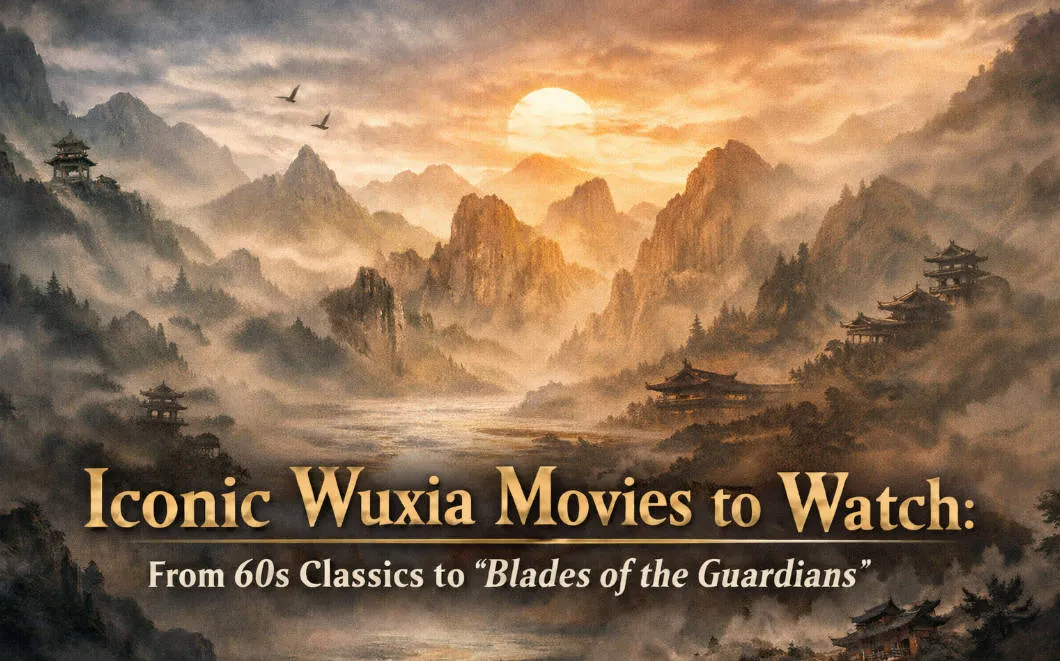
Wuxia films are more than action-packed martial arts movies — they are cinematic legends rooted in Chinese philosophy, honor, and heroism. For overseas audiences, wuxia offers a unique blend of poetic storytelling, swordplay, and epic moral struggles that set it apart from Western action films. This guide provides a complete introduction to wuxia cinema, from its early classics to modern masterpieces, followed by 10 must-watch high-rated wuxia films that every martial arts fan should experience.
📝The Brief History of Wuxia Eras: A Historical Overview
Wuxia cinema has evolved through four distinct "waves," each bringing a new aesthetic to the world of the martial hero:
⏩The Early Foundations (1920s – 1940s)
Born in Shanghai, these films were silent serials often blending martial arts with folklore and "Shenguai" (gods and spirits) fantasy
-
Key Milestone: The Burning of the Red Lotus Temple (1928) sparked the first-ever wuxia craze.
⏩The Shaw Brothers Golden Age (1960s – 1970s)
Based in Hong Kong, this era moved away from fantasy toward "hardcore" swordplay and stylized violence. Directors like King Hu introduced Zen philosophy and high-art aesthetics.
-
Core Style: Peking Opera-inspired movement and the "Strong Female Lead."
⏩The Hong Kong New Wave (1980s – 1990s)
Led by the visionary Tsui Hark, this era embraced wire-work, rapid-fire editing, and gender-bending narratives.
-
Core Style: High-speed action, "flying" swordsmen, and deconstructive storytelling.
⏩Global "Martial Arthouse" (2000s – Present)
Sparked by Crouching Tiger, Hidden Dragon, this era focuses on high production values, breathtaking cinematography, and philosophical depth.
-
Core Style: Poetic visuals, orchestral scores, and international appeal.
🎬Must-Watch Wuxia Movies: High-Rated Classics & New Hits
To help international viewers understand how wuxia cinema evolved, the table below highlights key stages of wuxia film history, representative titles, and where to watch them today.
🟤1960s–1970s | Classical Wuxia Foundations
This era established the visual language of wuxia, with graceful swordplay, clear moral codes, and operatic storytelling. Studios like Shaw Brothers and directors such as King Hu defined wuxia as cinematic myth rather than pure action.
| Film Name (Year) | IMDb Rating | Brief Synopsis & Significance | Where to Watch (Links) |
|---|---|---|---|
| Come Drink with Me (1966) | 7.3 | A landmark film directed by King Hu that helped kickstart the modern Wuxia wave, centered on a formidable female heroine. | Criterion Channel |
| One-armed Swordsman (1967) | 7.1 | A hugely influential Chang Cheh film that established macho codes of honor and alienation, making a star of Jimmy Wang Yu. | Amazon Prime Video |
| Dragon Inn (1967) | 7.4 | A group of heroes defends a remote inn from corrupt secret police. | Criterion Channel |
| A Touch of Zen (1971) | 7.5 | King Hu’s masterpiece, a spiritual epic and the first Chinese film to win an award at Cannes. It blends Buddhist philosophy with breathtaking action. | Google Play Movies |
🔵Late 1970s–1980s | Realism, Training, and Spiritual Discipline
Wuxia films became more grounded, emphasizing physical training, internal cultivation, and personal struggle. Martial arts realism and philosophical depth took precedence over fantasy elements.
| Film Name (Year) | IMDb Rating | Brief Synopsis & Significance | Where to Watch (Links) |
|---|---|---|---|
| A Touch of Zen (1971) | 7.5 | King Hu’s masterpiece, a spiritual epic and the first Chinese film to win an award at Cannes. It blends Buddhist philosophy with breathtaking action. | Google Play Movies |
| Fist of Fury (1972) | 7.3 | Bruce Lee’s iconic film where he defends his school’s honor against Japanese occupiers, cementing his status as a national hero. | HBO Max |
| Enter the Dragon (1973) | 7.6 | Bruce Lee’s final completed film, a global phenomenon that introduced Kung Fu to worldwide audiences. | Netflix |
| The 36th Chamber of Shaolin (1978) | 7.7 | Focuses on disciplined martial training and spiritual growth. | Prime Video |
| Legend of the Mountain (1979) | 7.4 | A slow-burning, supernatural wuxia with philosophical undertones. | YouTube (Official) |
🟢1990s | Golden Age Revival and Artistic Experimentation
A creative resurgence saw wuxia blend tradition with modern filmmaking techniques. Directors like Tsui Hark and Wong Kar-wai reimagined the genre through dynamic action, psychological depth, and visual experimentation.
| Film Name (Year) | IMDb Rating | Brief Synopsis & Significance | Where to Watch (Links) |
|---|---|---|---|
| Police Story (1985) | 7.5 | Jackie Chan’s stunt-filled masterpiece that redefined modern action comedy with its death-defying practical effects. | YouTube Movies |
| Once Upon a Time in China (1991) | 7.1 | Jet Li reinvents the folk hero Wong Fei-hung. | Prime Video |
| Swordsman II (1992) | 7.2 | A furiously paced, gender-bending fantasy epic featuring Brigitte Lin, representing the peak of early 90s Hong Kong Wuxia. | Apple TV |
| Iron Monkey (1993) | 7.5 | A beloved film about a Robin Hood-like physician thief, featuring superb, realistic action choreography by Yuen Woo-ping. | Disney+ |
| Ashes of Time (1994) | 7.0 | Wong Kar-wai’s poetic, melancholic take on Wuxia, focusing on memory and longing rather than straightforward heroics. | Criterion Channel |
🔴Early 2000s | Global Breakthrough of Wuxia Cinema
Wuxia entered the international mainstream with visually spectacular, emotionally rich epics. These films introduced global audiences to wuxia’s poetic action and universal themes of honor, sacrifice, and freedom.
| Film Name (Year) | IMDb Rating | Brief Synopsis & Significance | Where to Watch (Links) |
|---|---|---|---|
| Crouching Tiger, Hidden Dragon (2000) | 7.9 | Ang Lee’s Oscar-winning film that brought Wuxia to a global mainstream audience with its romantic story and lyrical wire-fu. | Netflix |
| Hero (2002) | 7.9 | Zhang Yimou’s visually stunning, color-coded epic that explores mythology, sacrifice, and state power. | Peacock TV |
| House of Flying Daggers (2004) | 7.5 | A romantic tragedy set during a rebellion in the Tang Dynasty. | Apple TV |
| Kung Fu Hustle (2004) | 7.7 | Stephen Chow’s zany, loving tribute to golden-age Kung Fu, blending slapstick comedy with jaw-dropping action. | Amazon Prime Video |
| Ip Man (2008) | 8.0 | The film that made Wing Chun master Ip Man a household name, starring Donnie Yen in a career-defining role of dignity and power. | Netflix |
🟣2010s –Present | Modern Reinterpretations and Cross-Genre Wuxia
Contemporary wuxia blends historical drama, political intrigue, animation, and even espionage elements. The genre continues to evolve, balancing nostalgia with new storytelling forms for modern audiences.
| Film Name (Year) | IMDb Rating | Brief Synopsis & Significance | Where to Watch (Links) |
|---|---|---|---|
| Flying Swords of Dragon Gate(2011) | 6.0 | Tsui Hark’s 3D revival of classic wuxia spectacle with stylized action and strong ensemble cast. | Prime Video |
| The Grandmaster(2013) | 6.6 | A poetic martial arts biopic centered on Ip Man, blending kung fu realism with wuxia spirit. | Netflix / Prime Video |
| Brotherhood of Blades (2014) | 6.6 | Ming-dynasty assassins caught between loyalty, conspiracy, and survival. Dark, gritty wuxia tone. | Prime Video |
| The Assassin (2015) | 6.7 | A minimalist, arthouse wuxia praised at Cannes. | Apple TV |
| Brotherhood of Blades II: The Infernal Battlefield (2017) | 6.7 | A prequel that expands the political intrigue and emotional depth of the original film. | Prime Video |
| Shadow (2018) | 7.0 | A bold black-and-white–style reinterpretation of wuxia aesthetics. | Netflix |
| Hidden Blade(2023) | 6.8 | Espionage-heavy martial arts film blending wuxia spirit with wartime spy thriller elements. | Prime Video |
🏆 Top 10 Must-Watch Classic Wuxia Films: Detailed Recommendations
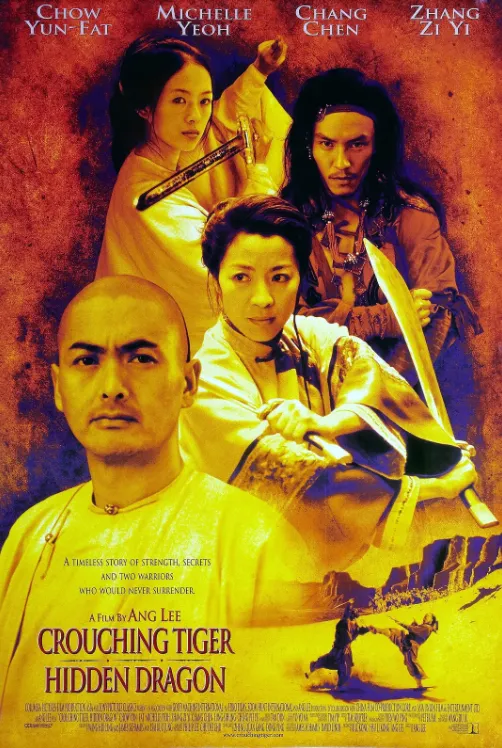
1.Crouching Tiger, Hidden Dragon (卧虎藏龙,2000)
Director: Ang Lee | Starring: Chow Yun-fat, Michelle Yeoh, Zhang Ziyi
Significance: The film that introduced Wuxia to the Western mainstream, winning 4 Academy Awards.
Why Watch: It balances high-flying action with a deeply moving romantic tragedy. The bamboo forest duel is arguably the most beautiful fight scene ever filmed.
Watch Here: Netflix, Amazon Prime Video
Perfect for viewers who want: A sweeping, romantic, and accessible epic that is both emotionally resonant and visually stunning.
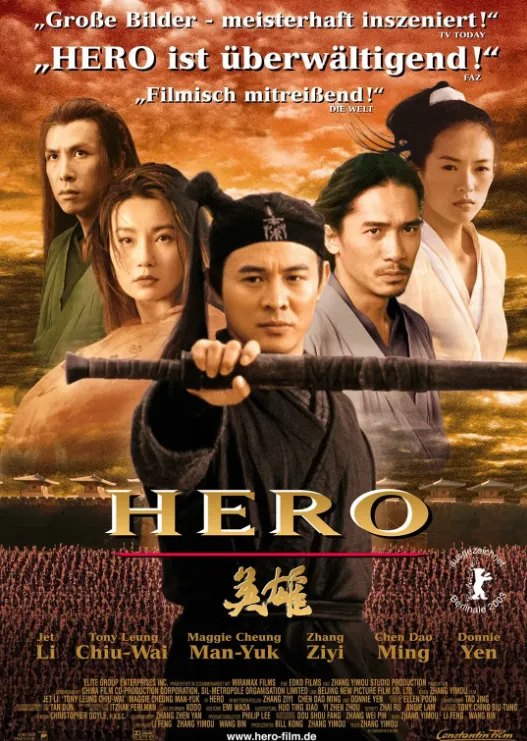
Director: Zhang Yimou| Starring: Jet Li, Tony Leung, Maggie Cheung
Significance: Known for its breathtaking use of color-coded storytelling.
Why Watch: It feels like a moving painting. Each "version" of the story is told in a different color (Red, Blue, White, Green), exploring themes of truth and sacrifice.
Watch Here: Peacock TV, Google Play
Perfect for viewers who want: A thinking-person’s action film where visual poetry and political philosophy are as important as the swordplay.
3.Once Upon a Time in China (黄飞鸿,1991)
Director: Tsui Hark | Starring: Jet Li, Rosamund Kwan
Significance: Revitalized the genre in the 90s and cemented Jet Li as a global superstar.
Why Watch: It explores the tension between traditional China and the encroaching Western modern world, featuring incredible umbrella-based combat.
Watch Here: Criterion Channel, Apple TV
Perfect for viewers who want: A historical epic that mixes national pride, cultural conflict, and spectacular martial arts set-pieces.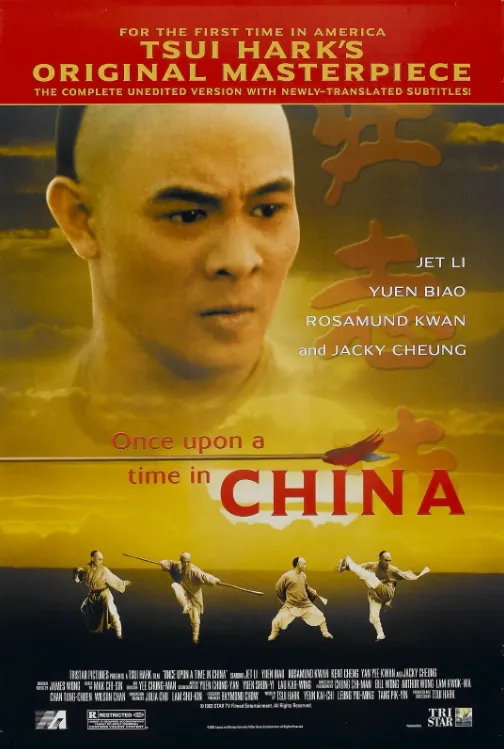
4.House of Flying Daggers (十面埋伏,2004)
Director: Zhang Yimou | Starring: Takeshi Kaneshiro, Andy Lau, Zhang Ziyi
Significance: A visual feast that pushed the boundaries of digital color and sound design.
Why Watch: The "Echo Game" dance sequence is a legendary blend of percussion and martial arts.
Watch Here: Apple TV
Perfect for viewers who want: A visually stunning, romantic, and stylized wuxia cinema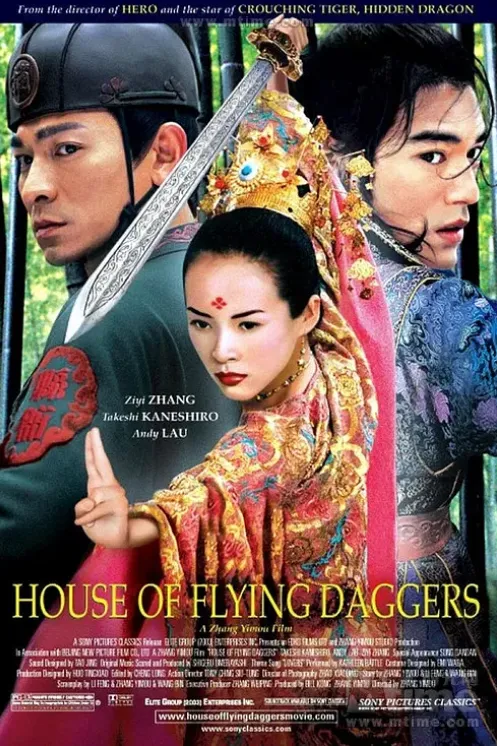
Plot Summary: The Tang Dynasty is fighting to keep control over China, a battle they are losing to several rebel groups. One such group is the House of Flying Daggers, who steal from the wealthy and give to the poor. Two police deputies working with the government (Takeshi Kaneshiro, Andy Lau) are ordered to investigate the dancer Mei (Zhang Ziyi), who is rumored to be working with the House of Flying Daggers. But both men fall under her charms and decide to help her escape instead.
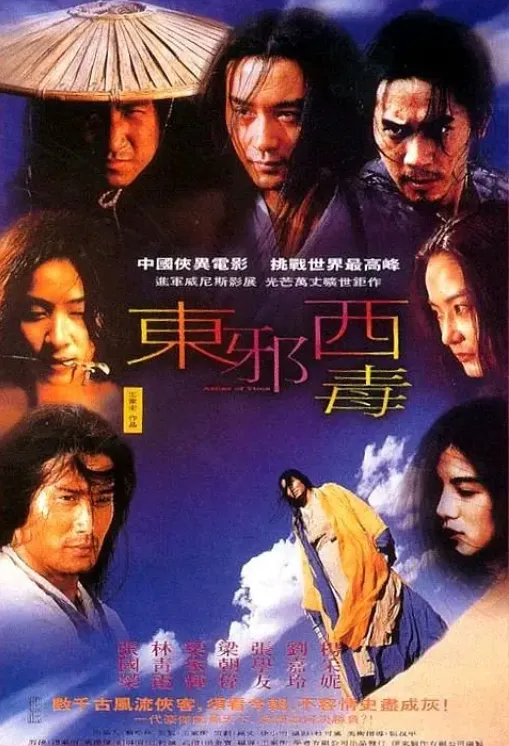
5.Ashes of Time (东邪西毒,1994)
Director: Wong Kar-wai | Starring: Leslie Cheung, Tony Leung Chiu-wai, Brigitte Lin, Maggie Cheung
Significance: A philosophical, fragmented wuxia that focuses on memory, regret, and loneliness.
Why Watch: A radical, art-house reinterpretation of the genre that proved Wuxia could be a vehicle for profound existential drama.
Watch Here: Peacock TV, Google Play
Perfect for viewers who want: An atmospheric, emotionally charged, and visually hypnotic experience that prioritizes feeling over plot.
6.The Assassin (刺客聂隐娘,2015)
Director: Hou Hsiao-hsien | Starring: Shu Qi, Chang Chen
Significance: Won Best Director at Cannes; it is a "slow-burn" Wuxia that focuses on atmosphere.
Why Watch: It’s a deconstruction of the genre. Instead of constant fighting, it captures the silence and isolation of a killer's life.
Watch Here: Apple TV ,Prime Video
Perfect for viewers who want: A minimalist wuxia that emphasizes silence over combat.
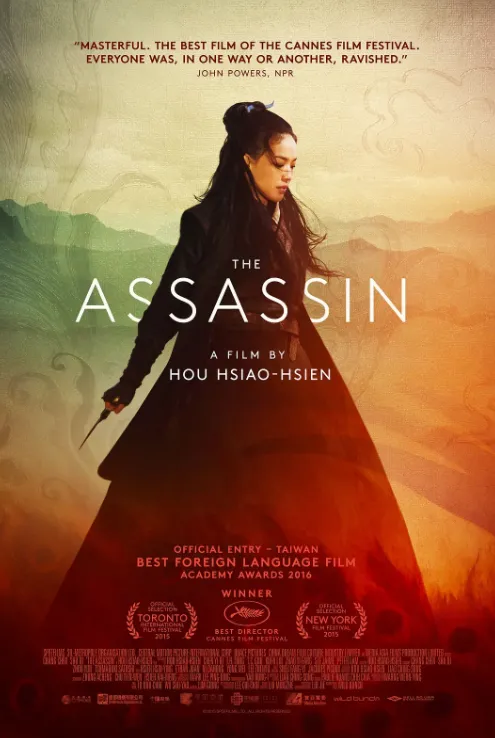
Plot Summary: In 8th-century China, Nie Yinniang, a highly skilled assassin trained by a nun, is ordered to kill her cousin, Tian Ji'an, a regional governor to whom she was once betrothed. After 13 years of exile, she must choose between her duty and her past feelings, struggling to kill the man she loves.
7. Shadow (影,2018)
Director: Hou Hsiao-hsien | Starring: Deng Chao , Sun Li, Zheng Kai
Significance: A significant wuxia epic, acclaimed for its stunning monochrome visual style, reminiscent of Chinese ink wash painting
Why Watch: Ink-wash painting aesthetics brought to life.
Perfect for viewers who want: A stunning, slow-burn historical dramas, Wuxia, and political thrillers.
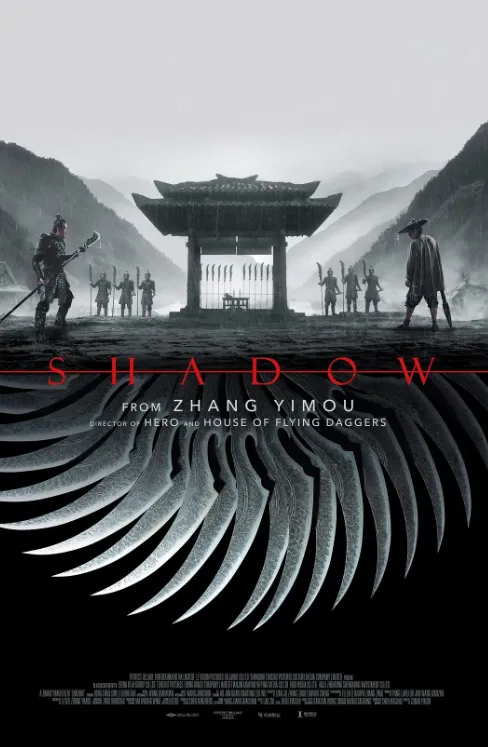
Plot Summary: The plot of Zhang Yimou's 2018 film Shadow centers on a commander in ancient China who secretly trains a look-alike, a "shadow" named Jing, to impersonate him and reclaim a lost city, all while navigating a treacherous court with a violent king, a manipulative general, and a complex relationship with his wife, leading to intricate schemes of betrayal, revenge, and war.
8. Ip Man (叶问,2008)
Director: Wilson Yip | Starring: Donnie Yen, Simon Yam, Hiroyuki Ikeuchi
Significance: Created a new global martial arts icon (Ip Man) and revitalized Donnie Yen’s career, sparking a hugely successful franchise.
Why Watch: This biographical film portrays the Wing Chun master with immense dignity and quiet power. Donnie Yen’s performance balances serene humility with explosive, precise combat. The film’s themes of cultural resilience and personal honor during wartime resonate deeply.
Perfect for viewers who want: An inspiring, character-driven drama with some of the most satisfying and well-shot one-on-one fight scenes in modern cinema.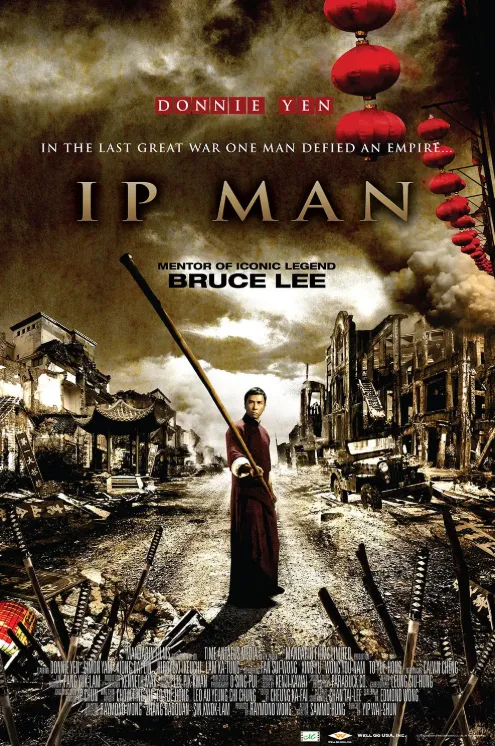
9.Iron Monkey (少年黄飞鸿之铁马骝,1993)
Director: Yuen Woo-ping | Starring: Donnie Yen, Yu Rongguang, Jean Wang
Significance: A cult classic that grew in stature over time, celebrated for its “realistic” and creative kung fu sequences directed by the legendary Yuen Woo-ping.
Why Watch: This film delivers pure, unadulterated martial arts fun. Before he was Ip Man, Donnie Yen stars in this Robin Hood-style tale featuring some of the most inventive and exhilarating fight choreography of the 90s. It’s fast-paced, heroic, and executed with breathtaking precision
Watch Here: Disney+ (in some regions), Amazon Prime Video
Perfect for viewers who want: A straightforward, thrilling, and expertly choreographed kung fu adventure with great heroes and villains.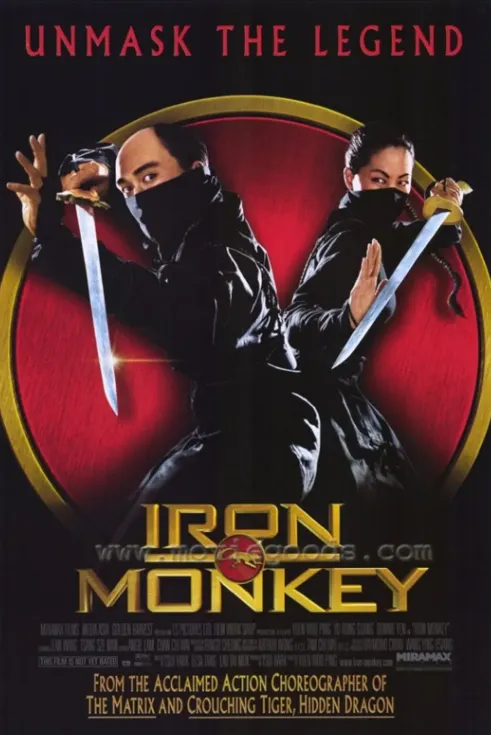
Plot Summary:Iron Monkey (1993) is a Hong Kong martial arts film acting as a "Robin Hood" tale, where Dr. Yang (Yu Rongguang) masks as the titular hero to steal from corrupt officials and aid the poor. When a ruthless Shaolin monk takes over local governance, the Iron Monkey teams up with visiting martial artist Wong Kei-ying (Donnie Yen) to stop him.
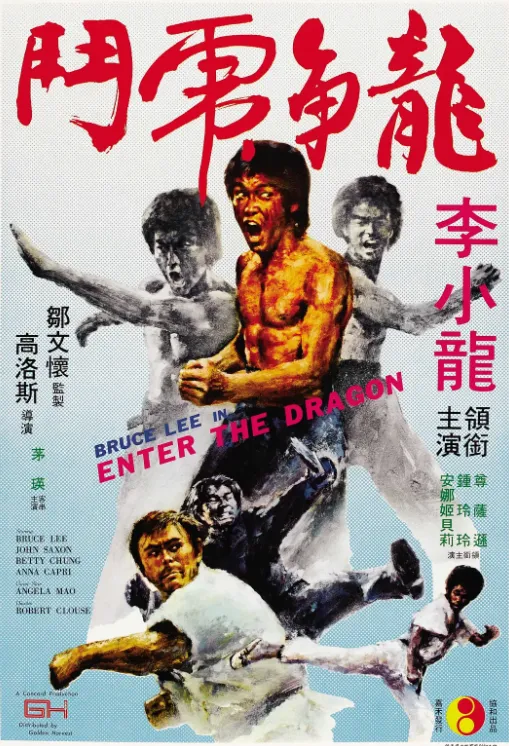
10.Enter the Dragon (龙争虎斗,1973)
Director: Robert Clouse | Starring: Bruce Lee, John Saxon, Jim Kelly
Significance: The defining Kung Fu film for Western audiences and Bruce Lee’s iconic legacy project, released shortly after his tragic death.
Why Watch:This is the film that catapulted Kung Fu into global consciousness. Bruce Lee’s charisma, philosophy, and unparalleled physicality are on full display in a James Bond-like tale of a Shaolin monk infiltrating an island fortress. It’s the perfect synthesis of Lee’s screen persona.
Perfect for viewers who want: The essential, most influential introduction to Bruce Lee and classic Hong Kong action.
💻Quick-Selection Guide: How to Choose the Right Wuxia Movies
✅Start With Your Viewing Experience Level
-
First-time viewers should begin with visually accessible, story-driven wuxia films that require little cultural background knowledge.
-
Experienced viewers may enjoy slower, more symbolic films that focus on philosophy, morality, and internal conflict.
Tip: If a film is often described as arthouse or minimalist, it’s usually better saved for later.
✅Identify Your Preferred "Action Style"
In the world of Wuxia, how characters fight tells you everything about the film’s tone:
-
Wire-Fu (The Dreamers): If you want to see warriors gliding across water, running up walls, and fighting in treetops, look for films that use high-end wire-work.
-
Best for: Fans of fantasy and "superhero" aesthetics.
-
Key Watch: Crouching Tiger, Hidden Dragon.
-
-
Chamberlain Style (The Duelists): These films focus on the "quick draw" of the sword and the tension before the strike, heavily influenced by Japanese Samurai films and Peking Opera.
-
Best for: Fans of suspense and classic 1960s cinema.
-
Key Watch: Come Drink With Me.
-
-
The "Phantasmagoria" (The Surrealists): These films are fast-paced, chaotic, and often involve magic or impossible feats (like shooting energy from palms).
-
Best for: Fans of high-energy, "over-the-top" 90s action.
-
Key Watch: Swordsman II.
-
✅Define Your Preferred Visual & Thematic Style
Wuxia covers a massive emotional spectrum. Ask yourself what kind of story you want to experience:
🔎FAQs: Navigating the World of Wuxia (For International Fans)
| Common Questions | Answer / Solution |
|---|---|
| What is the difference between Wuxia and Kung Fu movies? | Wuxia focuses on poetic storytelling, heroic codes, and swordplay, often set in historical or mythical China. Kung Fu movies emphasize realistic martial arts, training, and physical skill. |
| Where can I legally watch Wuxia movies online? | Popular streaming platforms include Netflix, Amazon Prime Video, Apple TV, and YouTube (official channels). Some films may be available regionally. |
| Do I need to understand Chinese culture to enjoy Wuxia films? | Not necessarily. Beginner-friendly titles like Crouching Tiger, Hidden Dragon or Hero provide accessible storytelling, while deeper films reward viewers with cultural knowledge. |
| Are there English subtitles available? | Most international releases on Netflix, Prime, and Apple TV have English subtitles. Always check the streaming platform for subtitle options. |
| Which Wuxia movies are good for first-time viewers? | Recommended starters: Crouching Tiger, Hidden Dragon, Hero, House of Flying Daggers, Once Upon a Time in China. |
| How do I choose between classic and modern Wuxia films? | Classics (1960s–1980s) highlight traditional swordplay and moral themes. Modern films (2000s+) often have cinematic polish, visual effects, and global appeal. |
| Are Wuxia films suitable for children? | Many wuxia films contain martial violence, historical conflicts, or mature themes. Some titles, like Crouching Tiger, Hidden Dragon, are family-friendly but parental guidance is recommended. |
| How long are typical Wuxia films? | Most range from 90–120 minutes. Epic or arthouse films (The Assassin, Ashes of Time) may run longer. |
| Can I watch Wuxia films in order? | Films are usually standalone. Sequels like Once Upon a Time in China or Brotherhood of Blades follow a loose continuity. Viewing order is optional. |
| Do Wuxia movies have English dubs? | Some international releases include English dubbing, but subtitles are more common and preserve original performances. |