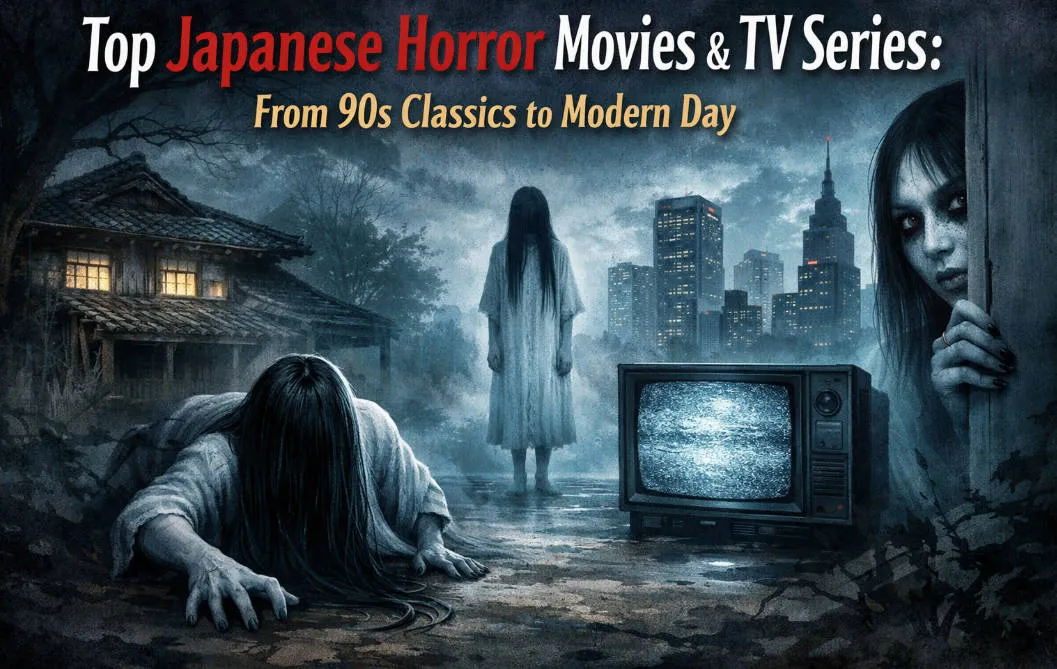
For decades, Japanese horror, or J-Horror, has defined fear for a global audience. Distinguished from Western horror's reliance on gore, it masterfully builds psychological terror and an atmospheric dread that lingers long after the screen goes dark.This guide breaks down must-watch horror titles from Japan across different periods, offering a balanced mix of well-known favorites and lesser-known gems. Whether you’re new to the genre or looking to expand your watchlist, this article will help you navigate some of the most compelling and unsettling horror stories Japan has produced.
🎬Top Japanese Horror Movies & TV Series: New Hits & All-Time Classics
Selecting the right Japanese horror (J-Horror) can be overwhelming because the genre shifts from the psychological "ghost" stories of the 90s to the more experimental and "urban legend" style of the 2020s.
Since you are looking for high-rated essentials, I have summarized the "Golden Age" (where the modern J-Horror boom began) and the "New Wave" (where the genre is currently experimenting with folk-horror and digital dread).
✴️Must-Watch Japanese Horror Movies
⏩The Golden Era & Modern Classics (1990–2020)
This period defines the "J-Horror" aesthetic: long-haired ghosts, cursed technology, and a heavy, suffocating atmosphere.
| Title | Year | Genre | IMDb | Synopsis |
| Cure (Kyua) | 1997 | Psychological/Noir | 7.5 | A detective investigates a string of murders where victims have an 'X' carved in them, leading him to a man who can hypnotize others into killing. |
| Ringu (The Ring) | 1998 | Supernatural | 7.2 | The classic tale of a cursed videotape that kills the viewer in seven days. It sparked the global J-horror craze. |
| Tomie |
1998 | Supernatural / Thriller |
5.3 | Based on the Junji Ito manga; a mysterious girl causes obsession and madness. |
| Audition | 1999 | Psychological/Torture | 7.1 | A widower holds a mock casting call to find a new wife, but the woman he chooses is not as innocent as she appears. |
| Uzumaki |
2000 | Cosmic Horror / Surreal |
6.1 | The inhabitants of a town become increasingly obsessed and tormented by spirals. |
| Pulse (Kairo) | 2001 | Techno-horror | 6.5 | Ghosts begin to invade the world of the living through the internet, exploring themes of extreme loneliness and suicide. |
| Ichi the Killer (Koroshiya 1) |
2001 | Crime Horror / Extreme |
6.9 | A sadomasochistic yakuza enforcer searches for a mysterious, psychotic killer named Ichi. |
| Suicide Club |
2001 |
Psychological / Horror |
6.5 | A detective investigates a bizarre rash of suicides with unsettling implications. |
| Ju-on: The Grudge |
2002 | Supernatural Horror |
6.7 | A vengeful spirit curses and pursues anyone who enters the house where it was murdered. |
| Dark Water (Honogurai mizu no soko kara) |
2002 |
Supernatural Horror |
6.7 | A mother and daughter in a dilapidated apartment are haunted by clues to a past tragedy involving a missing girl. |
| One Missed Call |
2003 | Supernatural Thriller | 6.2 | People receive voicemails from their future selves detailing their death. |
| Noroi: The Curse | 2005 | Found Footage | 6.9 | A documentary filmmaker disappears while investigating a series of seemingly unrelated paranormal incidents and a demon named Kagutaba. |
| Reincarnation |
2006 | Supernatural / Mystery |
- | In a cursed hotel, actors reenact a past tragedy that blurs reality and terror. |
| Confessions | 2010 | Psychological/Thriller | 7.7 | A grieving mother and teacher carries out an elaborate and terrifying plan of revenge against the students who killed her daughter. |
| One Missed Call |
2003 | Supernatural Thriller | 6.2 | People begin receiving phone calls from their future selves, detailing their impending deaths. |
| One Cut of the Dead | 2017 | Comedy/Zombies | 7.6 | A low-budget zombie film shoot is interrupted by a real zombie apocalypse—or so it seems. A brilliant, meta-horror masterpiece. |
| Tales of Terror from Tokyo | 2003 | Anthology | 6.8 | Short, punchy episodes based on real-life urban legends and ghost sightings across Japan. |
| Crow’s Blood |
2016 | Horror / Thriller |
- | Six-episode horror drama set in a high school with gruesome phenomena and eerie secrets. |
| I Am a Hero: The Day It Began |
2016 |
Horror / Zombie |
- | Prequel to the live-action adaptation of the popular zombie manga; gritty modern horror. |
| Re:Mind | 2017 | Suspense/Horror | 6.7 | Eleven high school classmates wake up restrained at a large dining table, unsure of why they are there or how to escape. |
⏩The New Wave & Urban Legends (2020–Present)
Recent J-Horror has moved toward folk-horror, survival games, and internet-based "creepypastas."
| Title | Year | Genre | IMDb | Synopsis |
| Love You as the World Ends |
2021–2024 | Horror / Apocalypse | - | A zombie apocalypse survival drama blending horror and action through multiple seasons. |
| Suicide Forest Village |
2021 | Folk Horror | 7.0 | A troupe enters Aokigahara forest, confronting myths and terror. *Community lists |
| Kisaragi Station | 2022 | Urban Legend/Isekai | 6.2 | Based on a famous 2channel urban legend about a girl who ends up at a non-existent, haunted train station in another dimension. |
| Re/Member |
2022 |
Psychological / Mystery |
7.0 | A group must survive deadly trials linked to a cursed game in the woods. *IMDb info community-based |
| Best Wishes to All | 2023 | Social/Folk Horror | 6.5 | A student visits her grandparents in the countryside, only to discover a terrifying secret regarding the "happiness" of the village. |
| Cloud | 2024 | Crime/Horror | 7.0 | Directed by Kiyoshi Kurosawa; a man selling goods online triggers a chain of "random" internet malice that turns into a real-life nightmare. |
| House of Sayuri | 2024 | Supernatural/Revenge | 6.8 | A family moves into a house haunted by a girl named Sayuri. When things turn deadly, the grandmother decides to fight back. |
| Exit 8 | 2025 | Liminal Space/Mystery | 7.4 | A live-action adaptation of the viral game. A man is trapped in an infinite underground passage and must spot "anomalies" to escape. |
✴️Must-Watch Japanese Horror TV Series
⏩1990–2020: Classic & Notable Japanese Horror TV Series
Many classic series from this period were adapted from famous film franchises or long-running episodic dramas.
| Type |
Title |
Year |
Genre |
IMDb |
Synopsis |
| Anthology | Tales of Terror from Tokyo | 2003 | Supernatural / Urban Legend | 6.8 | A collection of short, eerie stories based on "real-life" paranormal encounters reported in Japan. Known for its quick, unsettling pacing. |
| Drama | Shiratori Reiko de Gozaimasu! (Horror Segments) | 1993 | Supernatural / Folk Horror | 7.0 | While a drama series, its specific supernatural arcs based on traditional ghost stories set the stage for 90s television horror. |
| Anthology | Tales of the Unusual (Yonimo Kimyona Monogatari) | 1990-Present | Sci-Fi / Horror / Mystery | 7.5 | Japan's longest-running anthology series (similar to The Twilight Zone). It features segments ranging from psychological horror to dark comedy. |
| Drama | Re:Mind | 2017 | Psychological Thriller / Mystery | 6.7 | Eleven high school classmates wake up with their feet shackled to a large dining table. They must figure out why they are there before they vanish one by one. |
| Miniseries | Crow's Blood | 2016 | Sci-Fi / Body Horror | 6.3 | Produced by Darren Lynn Bousman (Saw II-IV), this series blends Japanese horror aesthetics with Western-style gore and biological horror. |
⏩2020–Present: Modern & Streaming Era Horror Series
With the entry of platforms like Netflix and Disney+, Japanese horror dramas have seen a significant improvement in production scale and gore levels in recent year
| Type |
Title |
Year |
Genre |
IMDb |
Synopsis |
| Series | Ju-On: Origins | 2020 | Supernatural / Curse | 6.7 | A gritty reboot of The Grudge franchise. It explores the dark, real-life origins of the cursed house, spanning several decades of brutal crimes. |
| Series |
Kyoufu Shinbun |
2020 | Horror |
6.7 | Follows college student Shizuru as she receives the newspaper daily, confronting disasters and the life-loss cost. |
| Series | Gannibal | 2022 | Folk Horror / Cannibalism | 7.2 | A police officer is reassigned to a remote mountain village. He soon suspects the villagers are practicing cannibalism after the disappearance of his predecessor. |
| Series | The Makanai: Cooking for the Maiko House (Horror Segments) | 2023 | Folklore /Atmosphere | 7.8 | While primarily a drama, the episodes exploring Kyoto's hidden spirits and superstitions offer a high-quality, atmospheric look at J-horror themes. |
| Series | Alice in Borderland | 2020-Present | Survival / Death Game | 7.7 | Though categorized as survival-thriller, it features heavy psychological horror elements as characters are forced to play deadly games in a deserted Tokyo. |
| Miniseries | The Days (Hospital Segments) | 2023 | Disaster / Real-life Horror | 7.2 | Depicts the Fukushima nuclear disaster. The segments involving the dark, radiation-filled halls of the power plant evoke intense claustrophobic horror. |
📌 Note: Not all TV series have widely reported IMDb scores, especially newer Japanese streaming originals. Community and curated lists often serve as quality indicators for newer titles.
✴️The J-Horror Timeline: Key Phases & Masterpieces
The evolution of Japanese horror can be mapped through distinct eras, each reflecting changing societal anxieties and artistic visions.
| Era/Phase | Core Themes & Legacy | Iconic Examples |
|---|---|---|
| Foundations & Folklore | Draws from ancient "Kaidan" ghost stories and classical theater, establishing the archetype of the vengeful female spirit ("Onryō") with long black hair and white robes. | Kwaidan (1964), Kuroneko (1968), TV Series: Honto ni Atta Kowai Hanashi (1991-) |
| The Golden Age (1990s-early 2000s) | Merged traditional spirits with modern technological anxiety, creating the "cursed media" narrative (videotapes, phones). Global breakthrough defined by slow-burn tension and pervasive dread. | Ringu (1998), Ju-on: The Grudge series (2003), Kairo (Pulse, 2001) |
| Diversification & The Modern Era | Genre hybridization (comedy, social drama), reboot of classic franchises, and a focus on horror in everyday spaces (haunted apartments, the internet). | Sadako DX (2022), The Inerasable (2016), Kansai Region: About a Certain Place (2025) |
💻Ways to Watch J-Horror: Major Streaming Platforms
Finding Japanese horror can be a bit of a scavenger hunt because the rights are often split between major streamers and niche platforms. Since it's 2026, many older classics have moved to "evergreen" libraries, while new originals are exclusive to specific services.
Here is the best breakdown of where to find the titles we discussed:
1. The Major Streamers (Modern Originals)
These platforms are the best for high-budget, exclusive series and recent high-definition releases.
-
Netflix: The exclusive home of Ju-On: Origins. They also host many "Death Game" style shows like Alice in Borderland and occasionally carry classics like One Cut of the Dead or Ringu, depending on your region.
-
Disney+: Currently the exclusive global home for Gannibal. In 2026, Disney+ has become a major player for high-end Japanese thrillers and "Star" brand horror.
-
Amazon Prime Video: A great "catch-all" for both old and new. They often have Kisaragi Station and newer 2024-2025 theatrical releases like Best Wishes to All for rent or purchase.
2. The Horror Specialists (Cult Classics)
If you want the "Golden Era" movies (1990-2010), these are your best bets:
-
Shudder: The ultimate destination for hardcore fans.1 They often carry the restored versions of Cure, Audition, and the Noroi documentaries. They also frequently host the documentary The J-Horror Virus, which is a great companion piece.
-
Screambox: Good for finding the more obscure, "nasty" J-horror and splatter films (like Meatball Machine or Tokyo Gore Police).
3. Free (Ad-Supported) Platforms
Don't sleep on these—they actually have some of the best J-horror libraries for free.
-
Tubi: Surprisingly one of the best places for J-horror.3 You can usually find Ringu, Pulse (Kairo), and many of the Tales of Terror from Tokyo episodes here for free with ads.
-
Midnight Pulp / AsianCrush: These sister sites specialize specifically in Asian cult cinema. They have a massive "Deep Cuts" section for J-horror that you won't find anywhere else.
📌Summary Table: Where to Watch
| Title | Best Platform (2026) | Note |
| Ju-On: Origins | Netflix | Original Series |
| Gannibal | Disney+ / Hulu | Original Series |
| Ringu / Pulse / Audition | Tubi / Shudder | Often rotates between these two |
| Cure / Confessions | Criterion Channel / Shudder | Usually on "prestige" apps |
| Kisaragi Station / Exit 8 | Amazon Prime / VOD | Available for digital rent/buy |
| Noroi: The Curse | Shudder / YouTube | Often found on the director's official channels |
📍Top 10 Must-Watch Classic Japanese Horror Movies & TV Series
1.Ring (1998) - Rating: 7.2/10 (IMDb)
Starring: Nanako Matsushima, Hiroyuki Sanada, Miki Nakatani, Yuko Takeuchi
Directed By: Hideo Nakata
Genre / Theme: Supernatural / Psychological Horror
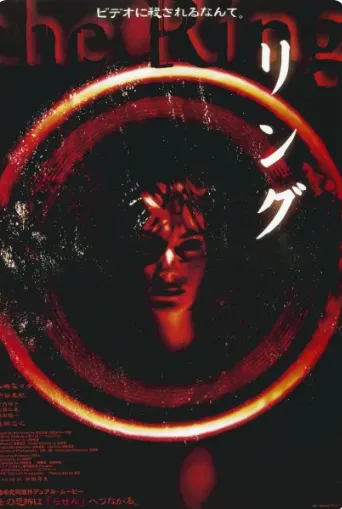
Ringu (The Ring) follows journalist Reiko Asakawa as she investigates a cursed videotape that kills viewers in seven days, starting with her niece's sudden death; she and ex-husband Ryuji race to uncover the story of the psychic Sadako, whose vengeful spirit emerges from the tape, especially after their son watches it, revealing a tragic past and a desperate need to break the curse by replicating the tape and sharing it to survive.
Plot Summary:
-
The Urban Legend: High schoolers talk about a legendary VHS tape where anyone who watches it receives a foreboding phone call and dies exactly seven days later.
-
Reiko's Investigation: After her niece, Tomoko, dies gruesomely after watching the tape, reporter Reiko Asakawa finds a copy and watches it, setting off the curse on herself.
-
The Tape's Content: The tape features surreal, disturbing imagery, culminating in a vision of a well and ending with a phone call, as described in Wikipedia.
-
The Curse Spreads: Reiko's ex-husband, Ryuji, helps, but their son, Yoichi, also watches the tape, increasing the urgency.
-
Uncovering Sadako: Their investigation leads them to the story of Shizuko Yamamura (Sadako's psychic mother) and Sadako herself, a vengeful spirit born with psychic powers, thrown down a well to die.
-
Breaking the Curse: They realize the curse is a virus-like phenomenon. To survive, they must copy the tape and show it to someone else, a chilling act Reiko successfully performs to save herself and Yoichi, but it condemns Ryuji.
-
The True Horror: The curse continues, evolving beyond the tape, hinting at Sadako's pervasive influence and the terrifying cycle of revenge.
2.Ju-On / The Grudge (2002) - Rating: 6.7/10 (IMDb)
Starring:Megumi Okina, Takako Fuji, Rika Ishikawa
Directed By: Takashi Shimizu
Genre / Theme: Supernatural / Horror
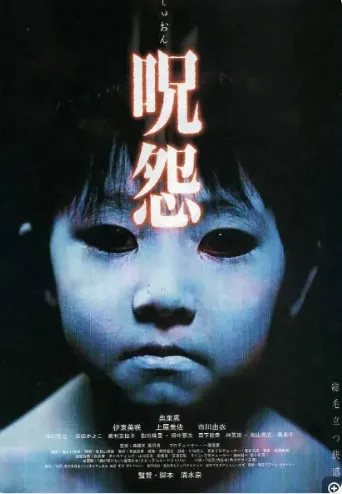
Ju-On: The Grudge follows the terrifying, non-linear story of a curse born from a brutal murder in a Tokyo house, where vengeful spirits of Kayako and her son Toshio torment and kill anyone who enters, spreading the deadly "grudge" to everyone they encounter, including social worker Rika, who becomes trapped in the cycle of death and becomes a new vessel for the curse. The film interweaves segments showing various victims—the family who moved in, police, and Rika—all falling prey to the relentless spirits.
Plot Summary:
-
The Murder: Takeo Saeki discovers his wife, Kayako, is in love with another man and brutally murders her and their young son, Toshio, in their home.
- The Grudge (Ju-On): This act of rage creates a powerful curse, or Ju-On, in the house, manifesting as vengeful spirits of Kayako and Toshio.
The Haunted House & The Victims
-
New Owners: The cursed house is bought by the Tokunaga family (Katsuya, Kazumi, and his mother Sachie).
-
Spirits Emerge: The curse begins, with Kazumi and Katsuya quickly succumbing to the ghosts.
-
Social Worker Rika: Rika Nishina, a social worker, is sent to care for Sachie and encounters Toshio and Kayako, barely escaping.
-
Spreading Terror: The curse follows Katsuya's sister, Hitomi, to her workplace and apartment, killing her.
- Investigation: Detectives investigating the disappearances also become victims, as the curse claims them and later Rika's teacher friend.
3.Audition (1999) - Rating: 7.1/10 (IMDb)
Starring: Ryo Ishibashi, Eihi Shiina, Tetsu Sawaki
Directed By: Takashi Miike
Genre / Theme: Psychological Horror / Thriller
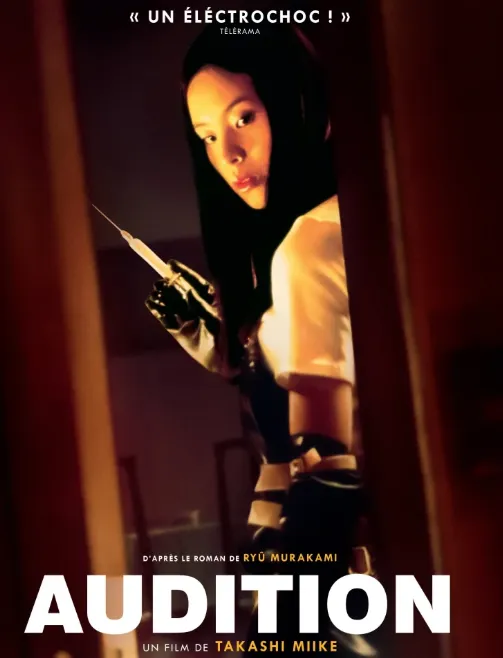
Audition (1999) is a Japanese psychological horror film by Takashi Miike about a lonely widower, Aoyama, who stages a fake movie audition to find a new wife, becoming fixated on the quiet, mysterious Asami, who harbors a dark, vengeful past involving extreme torture and mutilation, ultimately turning their romance into a nightmarish descent into psychological and physical horror. The film is famous for its slow-burn buildup, shifting from a melancholic romance to a brutal, disturbing climax, revealing Asami's psychotic nature as revenge for past abuse.
Plot Summary:
-
The Setup: Seven years after his wife's death, Aoyama's son encourages him to remarry. A film producer friend suggests a fake audition for a non-existent movie to meet potential partners.
-
The Meeting: Aoyama is captivated by Asami, a withdrawn, beautiful woman who seems perfect for him.
-
The Romance & Unease: They begin dating, but Aoyama notices unsettling aspects of Asami's past and behavior, with strange occurrences hinting at her true nature.
-
The Twist: Asami's dark past as a victim of abuse is revealed; she seeks revenge on men who betray or disappoint her.
-
The Climax: Aoyama discovers Asami's psychotic tendencies when she tortures him with needles, eventually dismembering him, in a graphic sequence representing his perceived failings as a lover.
4.Dark Water (2002) - Rating: 6.7/10 (IMDb)
Starring: Hitomi Kuroki, Asami Mizukawa, Rio Kanno
Directed By: Hideo Nakata
Genre / Theme: Supernatural / Drama
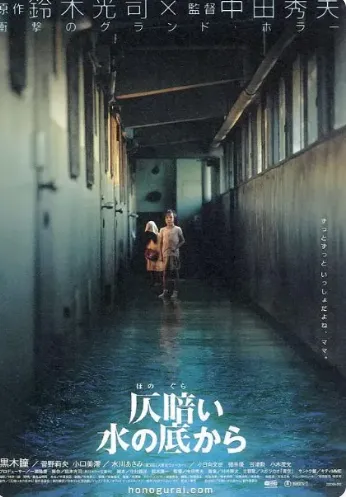
Dark Water (2002) is a Japanese supernatural horror film about a divorced mother, Yoshimi, and her daughter, Ikuko, who move into a rundown apartment haunted by the ghost of a drowned child, Mitsuko, whose spirit manifests through persistent, dark water leaks and a red backpack, exploring themes of motherhood, abandonment, and the crushing weight of trauma as Yoshimi confronts the spirit to protect her daughter.
Plot Summary:
-
Protagonist: Yoshimi Matsubara, a single mother in a bitter custody battle.
-
Setting: A decaying, water-stained apartment building in Tokyo.
-
Supernatural Threat: The ghost of Mitsuko Kawai, a young girl who drowned in the building's water tank years prior.
-
Recurring Motif: A dark, ever-present water leak from the ceiling, a red school bag, and the image of a young girl in a yellow raincoat.
-
Themes: The film blends psychological drama with horror, focusing on maternal anxieties, the cycle of neglect, and the oppressive nature of dampness and decay.
-
Plot: The haunting intensifies as Yoshimi realizes Mitsuko's spirit seeks a mother figure and is connected to Ikuko, forcing Yoshimi to confront the past tragedy to save her daughter from the same fate.
5.Noroi: The Curse (2005) - Rating: 6.8/10 (IMDb)
Starring: Jin Muraki, Tomono Kuga, Marika Matsumoto
Directed By: Kôji Shiraishi
Genre / Theme: Found Footage / Supernatural
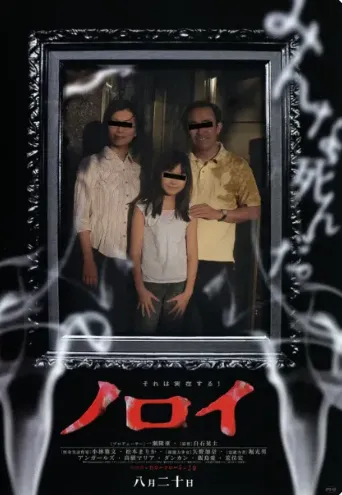
Noroi: The Curse is a Japanese found-footage horror film following paranormal journalist Masafumi Kobayashi as he investigates seemingly unrelated supernatural events, uncovering a dark connection to an ancient demon named Kagutaba, leading to a descent into terrifying possession, strange rituals, and his own disappearance, all framed as his unfinished documentary. The film weaves together creepy folklore, psychic phenomena, and chilling imagery like braided ropes and dead birds, culminating in a complex, unsettling narrative about a curse that spreads through human connection and ritual.
Plot Summary:
-
Found Footage Mockumentary: Presented as Kobayashi's final, incomplete documentary, blurring reality with its "documentary-within-a-documentary" style.
-
Kagutaba: An ancient, malevolent demon central to the curse, tied to a specific village's rituals and a history of tragedy.
-
Connecting Threads: The investigation links together strange occurrences: a haunted house, bizarre deaths, a TV show, and a psychic girl, all pointing to Kagutaba.
-
Folklore & Ritual: The story incorporates Japanese folklore, focusing on appeasement rituals and the consequences of disturbing ancient forces.
-
Atmosphere: Known for its slow-burn tension, unsettling ambiance, and surreal, dread-inducing imagery rather than jump scares.
-
Tragic Ending: The film opens by stating Kobayashi vanished, setting up a mystery about how and why he, and others involved, met their fates.
6.Pulse (2001) - Rating: 6.6/10 (IMDb)
Starring: Haruhiko Kato, Kumiko Aso, Tatsuya Fujiwara
Directed By: Kiyoshi Kurosawa
Genre / Theme: Psychological Horror / Supernatural
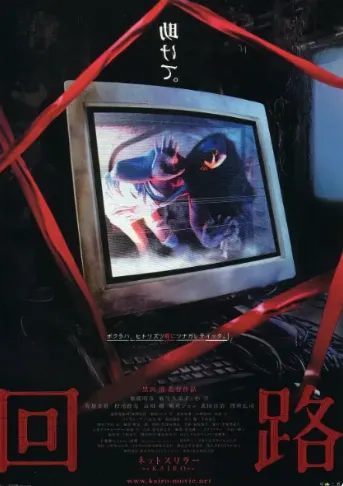
Pulse (2001) is a Japanese techno-horror film by Kiyoshi Kurosawa where ghosts invade the human world through the internet, manifesting as chilling apparitions and causing widespread isolation, paranoia, and mass suicides as spirits seek company in their eternal loneliness. The plot follows two parallel storylines of young Tokyo residents, Michi and Ryosuke, who encounter these spectral presences and a sinister software, leading to an apocalyptic finale where the living and dead blur, emphasizing themes of loneliness and the dehumanizing effects of technology.
Plot Summary:
-
Internet as a Portal: The film uses the early internet (dial-up) as a conduit for ghosts to enter the physical world, bringing their despair and loneliness with them.
-
Loneliness & Isolation: A central theme is the profound loneliness of modern life, with ghosts trying to escape their solitary afterlife by pulling humans into their stagnant existence, often resulting in suicide.
-
Techno-Horror: It's a slow-burn, atmospheric horror that builds dread through unsettling visuals, sounds, and the mundane act of using a computer becoming terrifying.
-
Apocalyptic Tone: The film culminates in a desolate vision of a world where the dead overwhelmingly outnumber the living, with humanity succumbing to eternal isolation.
-
Symbolism: The red tape seen in the film symbolizes protection from evil spirits in Japanese tradition, while the ghosts leave behind black scorch marks, remnants of their passage.
7.Confessions (2010) - Rating: 7.7/10 (IMDb)
Starring:Takako Matsu, Masaki Okada
Directed By: Tetsuya Nakashima
Genre / Theme: Thriller / Psychological
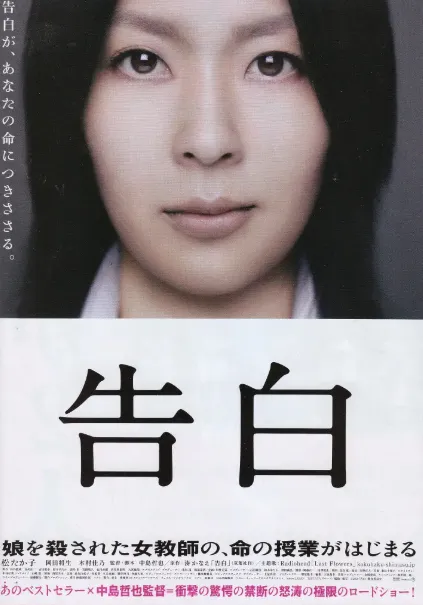
Confessions (2010, Japan) is a dark psychological horror film where teacher Yuko Moriguchi seeks revenge on two students who murdered her daughter, revealing their identities and enacting brutal, personal punishments that escalate into widespread chaos, exploring themes of justice, revenge, and despair through fractured narratives. Key to the summary is Moriguchi's calculated revenge after her daughter's accidental-looking drowning, involving infecting the killer with HIV and trapping the other in a devastating psychological cycle, all narrated from different student perspectives.
Plot Summary:
-
The Crime: Junior high teacher Yuko Moriguchi's young daughter, Manami, is found dead in the school pool, initially appearing accidental.
-
The Revelation: Moriguchi announces her resignation, revealing two students, "Student A" (Shuya Watanabe) and "Student B" (Naoki Shimomura), murdered her daughter.
-
The Revenge Begins: She reveals Student B (Shimomura) was involved but Student A (Watanabe) did the deed, and then infects Watanabe with HIV via his milk carton, a punishment for his taunting behavior.
-
Escalation: Watanabe, seeking validation and terrified, plots a mass murder/suicide at an assembly, while Shimomura is tortured by his own guilt and Moriguchi's manipulations.
- Narrative Structure: The film shifts perspectives, revealing the students' twisted motives and Moriguchi's meticulous, chilling revenge plan.
8.Gannibal (2022–present,TV series) - Rating: 8.0/10 (IMDb)
Starring:Yuya Yagira, Min Tanaka, Kana Kawai
Directed By: Shinya Kawai
Genre / Theme: Horror / Thriller / Suspense
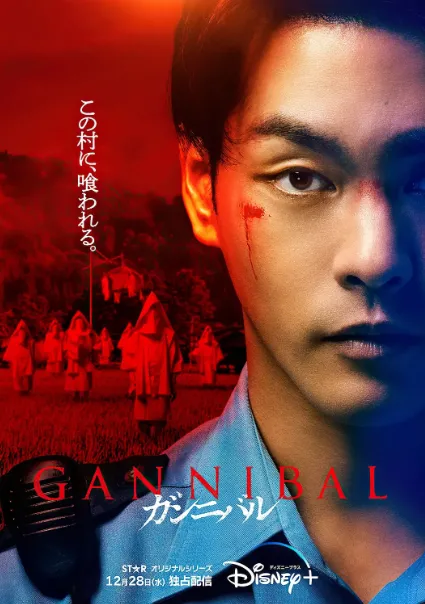
Gannibal is a Japanese folk horror series about police officer Daigo Agawa, who moves with his family to the seemingly idyllic but isolated Kuge Village, only to uncover its dark secret: the powerful Goto family and villagers practice cannibalism, using children as livestock for sacrifice to a monstrous figure, leading to a violent conflict as Daigo tries to expose them while battling his own past trauma
Plot Summary:
-
Arrival & Suspicion: Daigo, seeking refuge from a past incident that traumatized his daughter, arrives in Kuge Village, but a mysterious death (an old woman with a human bite mark) quickly reveals something sinister.
-
The Goto Family: The powerful Goto clan controls the village through fear, wealth, and armed forces, guarding their ancient, cannibalistic traditions.
-
The Horror Unfolds: Daigo discovers children are raised to be sacrificed, facing escalating violence, paranoia, and the discovery that the villagers are indeed cannibals.
-
Conflict & Resistance: Daigo clashes with the Goto family and their monstrous enforcer ("That Man"), leading to battles with police and desperate attempts to save the children.
-
Personal Stakes: The mystery deepens as Daigo learns the Goto family's actions are tied to his own family's trauma, culminating in brutal confrontations and difficult choices.
9.Ju-On: Origins (2020, TV Series)- Rating: 6.7/10 (IMDb)
Starring:Yoshiyoshi Arakawa, Yuina Kuroshima
Directed By: Sho Miyake
Genre / Theme: Supernatural / Horror
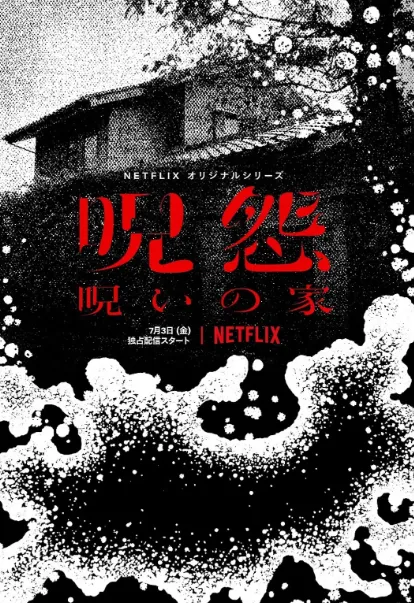
Ju-On: Origins is a brutal Netflix prequel exploring the cursed house's violent history, focusing on how a 1950s domestic murder by a serial killer (Udai) and his wife (Kiyomi), involving their young son (Toshiki), created the rage-fueled curse, connecting it to real Japanese tragedies like the Junko Furuta case and following paranormal investigator Yasuo Odajima as he uncovers the house's origins and its spreading terror across decades (1988-1997).
Plot Summary:
-
The Curse's Origin: The series goes back to 1952, showing a violent domestic incident where a man murders his pregnant wife and buries her and their unborn baby in the yard, birthing the vengeful ghost.
-
Spreading Terror (1988-1997): A paranormal investigator, Yasuo Odajima, links various horrifying incidents, including actress Haruka Honjo's experiences, to the same cursed house, revealing its history.
-
The Kiyomi/Udai Story: A key thread follows Kiyomi Kawai, a young girl who, after being lured and sexually assaulted in the house, becomes a vessel for the curse, leading to manipulation and murder, heavily referencing the real-life Junko Furuta case.
-
Real-World Tragedies: The show weaves in actual events like the 1989 Junko Furuta murder, the Chernobyl disaster, and the 1995 Kobe earthquake to ground the horror in reality.
-
The House as a Catalyst: The infamous cursed house, the "cat mansion," acts as the nexus, trapping and killing anyone who enters, with the curse passing through generations.
-
Yasuo's Connection: Odajima's investigation reveals he lived in the house as a child and lost his family, suggesting he's drawn to it and, paradoxically, helps spread the curse by telling its story, according to Den of Geek.
10.Exit 8 (2025/26)- Rating: 7.4/10 (IMDb)
Starring: Kazunari Ninomiya, Nana Komatsu
Directed By: Genki Kawamura
Genre / Theme: Liminal Space/Mystery
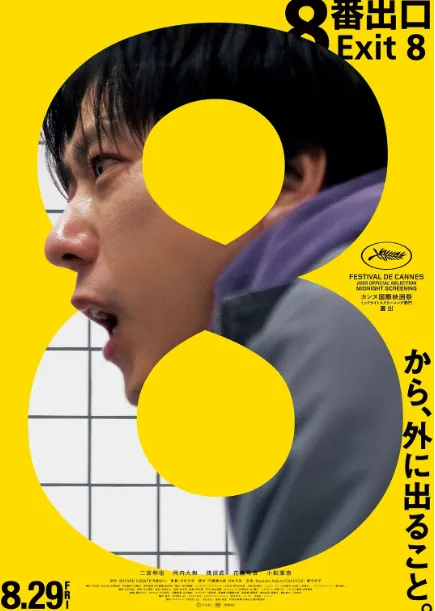
Exit 8 is a Japanese psychological horror film about a man trapped in a looping, endless subway passageway, inspired by a viral indie game, who must find the real Exit 8 by spotting anomalies (like blood on the ceiling or a changed sign) and turning back, or else he resets to the start, exploring themes of guilt, lost fatherhood, and purgatory as he tries to escape his existential maze with the help of a mysterious child.
Plot Summary:
-
The Premise: A man gets lost in a sterile, tiled subway corridor that endlessly loops, guided by signs and the need to find "Exit 8".
-
The Rules: Spot anomalies (anything out of place) and turn back; if everything's normal, proceed forward. A mistake sends him back to the beginning (Exit 0).
-
The Anomalies: These range from subtle changes (a doorknob appearing, different wall colors) to more disturbing sights (blood from the ceiling, creepy staring photos).
-
The Boy: He encounters a silent child, who eventually helps him navigate, revealing a deeper connection to the loops.
-
The Walking Man: An unresponsive figure constantly seen walking the corridor, who was once lost and failed to escape after abandoning the child.
📝How to Choose the Right J-Horror: Detailed Breakdown
Choosing your path through Japanese Horror is like entering a dark, fog-filled forest—you can take the path of psychological dread, the path of bloody revenge, or the path of modern internet legends.
To help you decide where to start, here is a guide to choosing your journey based on your specific "horror appetite."
✅Identify Your "Horror Flavor"
Japanese horror is rarely "one-size-fits-all." Match your current mood to these three core pillars:
| If you want... | Then follow the... | Key Starting Titles |
| Atmosphere & Chills | Psychological Path | Cure, Pulse, Ringu |
| Gore & Shock | Visceral Path | Audition, Ju-On: Origins, Ichi the Killer |
| Mystery & Lore | Investigative Path | Noroi: The Curse, Gannibal, Kisaragi Station |
You can tailor your watchlist based on your preferences:
-
For Beginners: Start with the pillars: Ringu and Ju-on: The Grudge.
-
For Psychological & Atmospheric Fans: If you prefer slow-burn dread, seek out Kairo (Pulse) and Dark Water.
-
For Extreme & Visual Horror Fans: If you have a strong stomach, explore Audition or Cold Fish.
-
For Cultural & Historical Buffs: Begin with the foundational classics like Kwaidan and Kuroneko.
✅Choose Your Era
The "vibe" of J-Horror changed significantly as Japan's technology and society evolved.
-
The Golden Age (1990s - 2005): Focuses on Cursed Technology. Choose this if you like "vintage" vibes—VHS tapes, old computers, and the classic "long-haired girl in a white dress" trope.
-
The Experimental Era (2006 - 2019): Focuses on Social Commentary. Choose this if you like "high-concept" films like Confessions or meta-horror like One Cut of the Dead.
-
The Modern New Wave (2020 - Present): Focuses on Liminal Spaces & Folk Horror. Choose this if you are obsessed with "Backrooms" style visuals, urban legends from the internet, or creepy cults in remote villages (Gannibal).
✅The "Jump Scare" Scale
How much do you actually want to jump out of your seat?
-
Low Jump Scares / High Dread: Start with Cure. It feels like a cold wind on your neck the entire time, but it won't make you scream.
-
Moderate Jump Scares: Start with Ringu. It builds tension and rewards you with a few legendary scares.
-
High Intensity: Start with Ju-On: The Grudge or Ju-On: Origins. These are designed to make you feel unsafe even in your own bedroom.
✅The "Length of Commitment"
-
The "Short Burst" (10-15 mins): Watch Tales of Terror from Tokyo. Perfect if you want a scary story before bed without a two-hour commitment.
-
The "Deep Dive" (6-8 hours): Binge Gannibal or Ju-On: Origins. These allow for complex character building and a much darker, slower descent into madness.
📌Final Checklist Before You Watch
To get the authentic J-Horror experience, follow these three rules:
-
Watch with Subtitles: The subtle voice acting and sound design (especially the "wet" sounds of ghosts) are essential.
-
Sound is Key: J-Horror directors use "silence" as a weapon.1 Use a good pair of headphones.
-
Respect the "Lingering" End: Unlike Western films that often have a "victory" at the end, J-Horror endings are often bleak.
🔎J-Horror Selection Guide: Common Questions & Solutions
| Question | Answer |
|---|---|
| What makes Japanese horror different from Western horror? | Japanese horror focuses on atmosphere, psychological tension, and lingering dread rather than jump scares or graphic violence. Ghosts, curses, and emotional trauma are central themes. |
| Are Japanese horror movies very gory? | Most classic J-horror films are not gory. Titles like Ring and Dark Water rely on mood and suspense, while only a few films (e.g., Audition) contain extreme scenes. |
| Where should beginners start with J-horror? | Beginners should start with iconic, accessible classics such as Ring (1998), Ju-On: The Grudge (2002), or Dark Water (2002). These define the genre without being overwhelming. |
| Are Japanese horror TV series worth watching compared to movies? | Yes. TV series like Gannibal and Ju-On: Origins offer deeper storytelling, character development, and slow-burn suspense that many fans prefer over standalone films. |
| Is J-horror mostly about ghosts and curses? | Ghosts and curses are common, but J-horror also includes psychological horror, folk horror, technology-based horror, and social commentary (Pulse, Cure). |
| Do I need to understand Japanese culture to enjoy J-horror? | No. While cultural context enhances the experience, most films explain their rules visually. Themes like fear, grief, and isolation are universal. |
| Are newer Japanese horror films as good as classic ones? | Modern J-horror is more experimental and serialized. While classics remain iconic, newer titles like Gannibal show strong innovation and production quality. |
| Is found-footage Japanese horror scary? | Yes, especially for fans of realism. Films like Noroi: The Curse are slow-burn and unsettling, creating fear through authenticity and folklore rather than jump scares. |
| Which J-horror sub-genre should I choose first? | If you like suspense, choose psychological horror. If you enjoy folklore, go with supernatural horror. If you prefer realism, try found-footage titles. |
| Are Japanese horror movies suitable for casual viewers? | Some are, but many require patience. J-horror often builds tension slowly, so it’s best for viewers who enjoy atmosphere over fast-paced scares. |
| Do Japanese horror series have multiple seasons? | Some do. Series like Gannibal are ongoing or planned as multi-season projects, while others are limited series with a complete story arc. |
| What is the best platform to watch Japanese horror? | Netflix, Amazon Prime Video, Hulu/Disney+, and specialty platforms like Criterion Channel often carry Japanese horror films and series, depending on region. |
📌Key Takeaway:The key to choosing the right J-Horror is understanding your own preference for supernatural scares versus psychological dread and using specific search terms and aggregation tools to find titles that match. Knowing the foundational classics ("Ring," "Ju-on") provides essential context for everything that followed.